
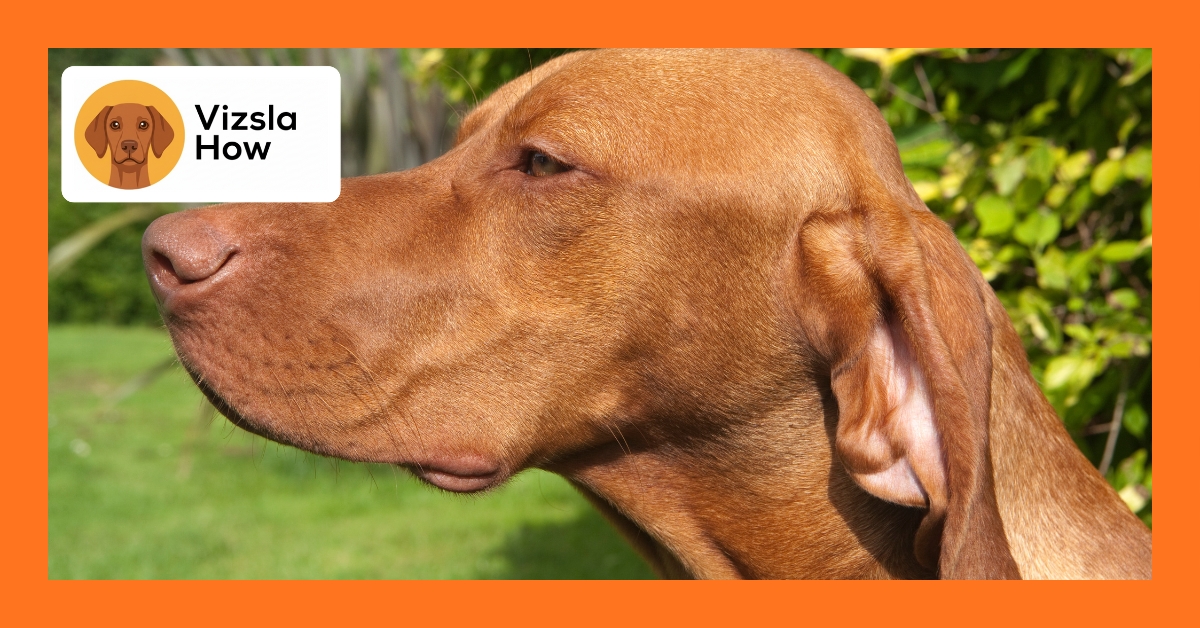
Yes. Vizslas succeed in medical alert, PTSD support, mobility assistance, and guide work. Their powerful sense of smell, intense handler bonding, and high trainability are genuine assets. The main caveat is their high exercise requirement, which demands a committed, active handler.
Vizslas are not the first breed most people picture in a service vest, but their combination of scenting power, intense handler bonding, and trainability puts them in genuine contention with traditional service breeds. The question is not whether they can do the work, but whether their specific traits fit the demands of your role as a handler.
Yes, a Vizsla can absolutely be a service dog. Thanks to their exceptional intelligence, gentle temperament, keen sense of smell, and eagerness to please, Vizslas succeed in roles including medical alert, mobility assistance, PTSD support, and guide work. They are not the most common service breed, but they are highly capable.
In this guide, you will learn which service dog jobs Vizslas excel at, where they fall short, how to train one, and how they compare to traditional service breeds like Labradors. For foundational breed information, the American Kennel Club’s Vizsla profile offers excellent background.
Can a Vizsla Be a Service Dog? The Full Answer
Vizslas meet every core requirement the ADA places on service animals: they can be trained to perform specific tasks that mitigate a handler’s disability. Their working heritage as Hungarian pointing dogs built centuries of trainability into the breed.
What sets them apart is emotional sensitivity. Vizslas are famously nicknamed velcro dogs because they bond intensely with their person, which translates beautifully into attentive service work. This intense bonding can sometimes lead to separation anxiety issues that require careful management during training.
Key Traits That Make Vizslas Service Dog Candidates
- High intelligence: Ranked among the top 30 smartest dog breeds for working and obedience.
- Powerful scenting ability: Bred to track game, ideal for medical detection tasks.
- Medium size: Typically 44 to 60 pounds, large enough for mobility support yet portable.
- Gentle disposition: Soft mouth and sensitive temperament suit psychiatric and child-assistance work.
- Natural retrieving instinct: Perfect for fetching medication, phones, or dropped items.
Best Service Dog Roles for Vizslas
Not every service job fits every breed. Vizslas shine in specific categories where their unique blend of athleticism, scent work, and emotional attunement becomes an advantage.
No-Pull Harness for Vizslas
A well-fitted harness gives you better control on walks and runs while keeping your Vizsla comfortable.
Check Price on Amazon → (paid link)
1. Medical Alert and Diabetic Alert Dogs
This is where Vizslas truly excel. Their remarkable olfactory system can detect minute shifts in pheromones released through the skin and breath, alerting owners to dropping blood sugar, oncoming seizures, or cardiac episodes before symptoms appear. For owners interested in developing these natural abilities, scent tracking training provides an excellent foundation.
2. Mobility Assistance Dogs
A well-built Vizsla can retrieve dropped items, open doors with pull straps, and carry small loads in a working harness. While not as large as a Lab, they handle light mobility tasks with precision.
3. PTSD and Psychiatric Service Dogs
Vizslas intuitively sense distress in their handlers. They perform deep pressure therapy, interrupt panic attacks, and provide anchoring support in crowded public spaces, which makes them excellent partners for veterans and trauma survivors.
4. Guide Dogs for the Visually Impaired
Though rarer in this role, Vizslas possess the focus, calm-under-pressure temperament, and handler awareness required for guide work. Some specialized programs have successfully trained Vizslas as seeing-eye dogs.
Vizsla vs. Traditional Service Dog Breeds
How does a Vizsla stack up against the breeds you typically see in a service vest? The table below highlights the practical differences.
| Trait | Vizsla | Labrador Retriever | German Shepherd |
|---|---|---|---|
| Average Weight | 44 to 60 lbs | 55 to 80 lbs | 50 to 90 lbs |
| Trainability | Excellent | Excellent | Excellent |
| Scent Detection | Superior | Very Good | Superior |
| Exercise Needs | Very High | Moderate to High | High |
| Shedding | Low | High | High |
| Best Service Role | Medical Alert, PTSD | All-purpose, Guide | Mobility, Psychiatric |
Challenges of Training a Vizsla as a Service Dog
Honesty matters here. While the answer to can a Vizsla be a service dog is yes, the breed carries quirks that demand experienced handling.
High Energy Requirements
Vizslas need 60 to 90 minutes of vigorous exercise daily. A bored Vizsla becomes anxious, and anxiety derails service work. Handlers must commit to consistent physical and mental stimulation. A quality service dog harness becomes essential for managing their energy during training sessions and public outings.
Emotional Sensitivity
Their soft temperament is a double-edged sword. Harsh corrections or inconsistent training can cause shutdowns. Only positive-reinforcement methods produce reliable service performance.
Separation Anxiety
The velcro trait means Vizslas struggle when left alone. This is rarely an issue during active service work but requires careful conditioning during training breaks.
How to Train a Vizsla as a Service Dog: Step-by-Step
Training a service dog takes 18 to 24 months on average and costs between $15,000 and $50,000 through professional programs. Here is the proven path.
- Start with health clearances. Verify hips, eyes, and thyroid are sound before investing in training.
- Socialize extensively from 8 to 16 weeks. Expose the puppy to surfaces, sounds, crowds, and environments.
- Master foundational obedience. Sit, down, stay, heel, recall, and leave-it must be bulletproof before advancing.
- Introduce public access skills. Practice calm behavior in stores, restaurants, and transit hubs.
- Teach disability-specific tasks. Train at least three tasks directly tied to the handler’s condition.
- Pass the Public Access Test. This industry-standard evaluation confirms readiness for real-world service work.
- Maintain lifelong training. Schedule weekly practice sessions and annual refreshers with a professional trainer.
Finding the Right Trainer
Look for trainers accredited by Assistance Dogs International or certified through the Council of Professional Dog Trainers. Breed-specific experience with Vizslas is a significant plus. Understanding Vizsla training characteristics helps trainers develop more effective programs.
Service Dog vs. Therapy Dog vs. Emotional Support Animal
Many owners confuse these categories. The legal and functional differences are substantial.
- Service Dog: Trained to perform specific tasks for a disabled handler. Full public access rights under the ADA.
- Therapy Dog: Provides comfort to others in hospitals, schools, and care facilities. No public access rights.
- Emotional Support Animal: Offers companionship that eases a mental health condition. Limited housing protections, no public access rights.
Vizslas can fill any of these roles, but only the service dog category grants access to restaurants, airplanes, and workplaces.
Conclusion: Is a Vizsla Right for Your Service Dog Journey?
So, can a Vizsla be a service dog? Yes, and a remarkably effective one when matched to the right handler and role. Here are your key takeaways:
- Vizslas excel at medical alert, PTSD support, mobility assistance, and psychiatric service work.
- Their intelligence, scenting ability, and gentle nature offset their lower public profile as a service breed.
- High exercise needs and emotional sensitivity require committed, positive-reinforcement training.
- Professional training through an accredited program delivers the most reliable service partnership.
If you lead an active lifestyle and need a devoted working partner, a Vizsla could be the perfect service dog match for years to come. A specialized service dog jacket can help identify your working Vizsla in public spaces while providing weather protection during outdoor activities.
Breakaway Collar for Vizslas (Adjustable)
A quality collar is essential for ID tags and everyday wear. Choose one sized for a lean, athletic breed.
Check Price on Amazon → (paid link)
Frequently Asked Questions
Are Vizslas recognized as service dogs by the ADA?
Yes. The ADA does not restrict service dog status to specific breeds. Any dog, including a Vizsla, qualifies as a service animal if it is individually trained to perform tasks for a person with a disability. Only the task training matters legally, not the breed.
How much does it cost to train a Vizsla as a service dog?
Professional service dog training costs between $15,000 and $50,000, depending on the tasks and program. Owner training with a qualified trainer reduces costs to roughly $3,000 to $8,000 but requires substantially more personal time and expertise across 18 to 24 months.
Can Vizslas be emotional support animals instead?
Absolutely. Vizslas naturally bond deeply with their owners, making them outstanding emotional support animals. ESAs require no specialized task training, only a licensed mental health professional’s letter. However, ESAs lack the public access rights granted to fully trained service dogs under federal law.
What disabilities can a Vizsla service dog help with?
Vizslas assist with diabetes, epilepsy, cardiac conditions, PTSD, anxiety disorders, autism, and mobility impairments. Their scent detection supports medical alert work, while their deep handler bond aids psychiatric tasks. They can also retrieve medication, provide counterbalance, and perform deep pressure therapy.
How long does it take to train a Vizsla service dog?
Expect 18 to 24 months of consistent training from puppyhood to certification. The process includes socialization, obedience, public access skills, and disability-specific task work. Vizslas’ intelligence can speed early stages, but their sensitivity requires patient, positive methods rather than rushed programs.
Do Vizslas make good service dogs for children with autism?
Yes, Vizslas often partner well with children on the autism spectrum. Their gentle mouths, moderate size, and intuitive emotional awareness support tethering, tracking, and calming tasks. However, their high energy means families must commit to substantial daily exercise to keep the dog focused and reliable.
Are male or female Vizslas better as service dogs?
Both sexes succeed as service dogs. Females sometimes mature slightly faster and show more focus during early training, while males tend to be more affectionate and food-motivated. Individual temperament, health, and drive matter far more than sex when selecting a service dog candidate.
About the Author
Alex B. is a Vizsla owner and enthusiast who writes about the breed’s unique needs, personality, and care requirements. All advice is based on personal experience and research from veterinary and breed-specific sources.