
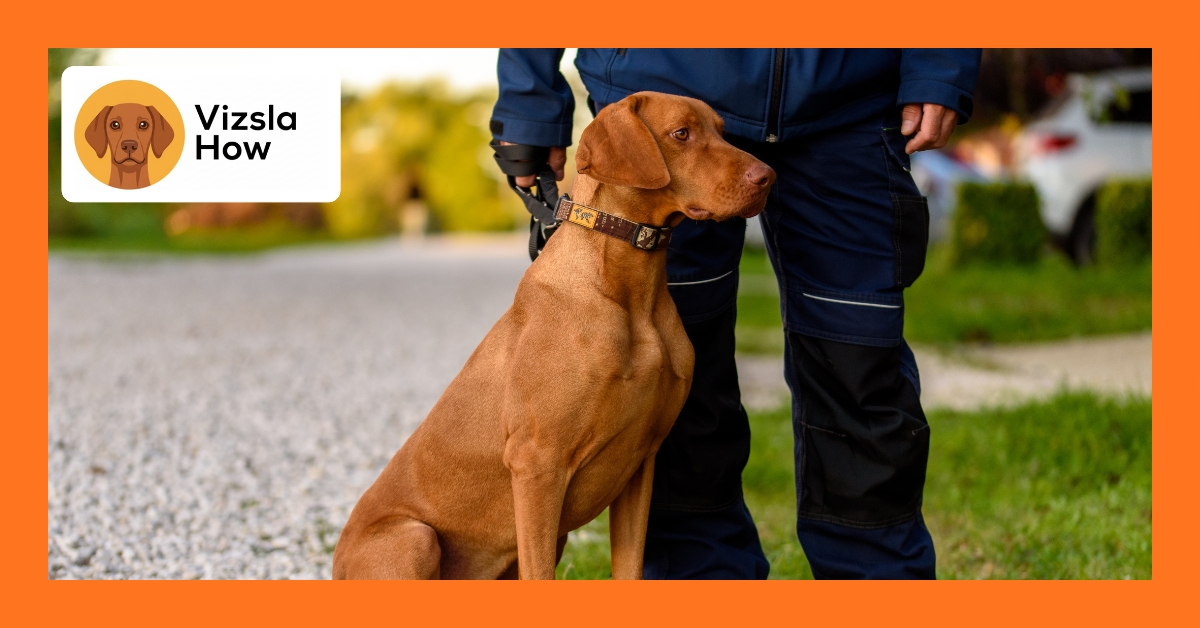
You’ve fallen in love with those soulful eyes and boundless energy, but now you’re wondering: can you actually train a Vizsla? The answer might surprise you. While these Hungarian hunting dogs consistently rank among the most intelligent breeds, their trainability tells a more complex story than their smarts alone would suggest.
Are Vizslas easy to train? Vizslas are moderately easy to train due to their high intelligence and eagerness to please, but they require patient, positive reinforcement methods and extensive mental stimulation. Their sensitivity to harsh corrections and slow mental maturation (up to two years) means training demands consistency and understanding rather than quick results.
If you’re considering adding a Vizsla to your family or struggling with your current pup’s training, understanding what makes this breed tick is essential. According to the American Kennel Club, Vizslas have surged in popularity recently, yet many new owners underestimate the commitment required to channel their energy and intelligence effectively. Let’s dive into what really makes Vizsla training unique.
Understanding the Vizsla Temperament and Learning Style
Before you can master training techniques, you need to understand what drives your Vizsla’s behavior. These dogs weren’t bred to lounge on couches but to work alongside hunters for hours in demanding terrain.
Intelligence Doesn’t Equal Instant Results
Here’s where many owners get frustrated. Vizslas possess exceptional intelligence and problem-solving abilities, which should theoretically make training straightforward. However, their mental maturation is remarkably slow compared to other breeds.
Most Vizslas don’t reach full mental maturity until 18 to 24 months of age. This extended puppy phase means you’ll need patience when your six-month-old pup still acts like an overgrown toddler. That intelligence is there, but it needs time to develop fully.
The Sensitivity Factor
Vizslas are incredibly sensitive dogs, both emotionally and physically. Harsh corrections, raised voices, or negative training methods can backfire spectacularly with this breed. They may shut down, become anxious, or develop unwanted behaviors as a result.
This sensitivity means you’ll achieve far better results with positive reinforcement techniques. Treats, praise, play, and gentle encouragement build the trust and motivation that make training sessions productive rather than stressful.
The Training Challenges Every Vizsla Owner Faces
Let’s be honest about the obstacles you’ll encounter. Recognizing these challenges upfront helps you prepare effective strategies rather than feeling blindsided.
Energy Levels That Never Quit
Vizslas were bred as tireless hunting companions, and that heritage shows. A bored or under-exercised Vizsla becomes a destructive, unfocused training nightmare. They need substantial physical exercise daily, but here’s the catch: exercise alone isn’t enough.
Mental stimulation matters just as much as physical activity. A 30-minute training session incorporating problem-solving can tire your Vizsla more effectively than an hour of mindless fetch. Without this mental engagement, you’ll struggle to maintain their attention during training.
Short Attention Spans and Boredom
Despite their intelligence, young Vizslas often have frustratingly short attention spans. Repetitive drills bore them quickly, leading to distracted or resistant behavior. This means your training sessions need variety and creativity.
Keep sessions short (10-15 minutes for puppies, 20-30 for adults) and engaging. Mix up activities, locations, and rewards to maintain their interest and enthusiasm.
The Pandemic Training Gap
If you acquired your Vizsla during or shortly after the COVID-19 pandemic, you may face additional challenges. Professional trainers have observed notable behavioral and socialization deficits in dogs from this period due to limited access to training classes and varied social experiences.
These dogs often struggle with off-leash recall, excitability around other dogs, and adapting to new environments. The good news? Intentional, gradual re-socialization and structured home training can bridge these gaps effectively.
Proven Training Strategies for Vizsla Success
Now for the practical guidance you need. These evidence-based strategies align with how Vizslas actually learn and what motivates them.
Start Early with Positive Reinforcement
Heather Mishefske, a Certified Professional Dog Trainer, emphasizes starting training as early as possible using exclusively positive methods. This approach leverages the Vizsla’s eagerness to please while protecting their sensitive nature.
Early training doesn’t mean harsh discipline. It means establishing routines, building good habits, and creating positive associations with learning from the moment your puppy comes home.
Integrate Training with Natural Drives
Ruben Montes of Kindred Dog PDX recommends aligning training with breed-specific instincts. For Vizslas, this means incorporating:
- Scent work and nose games that tap into their hunting heritage
- Retrieval exercises that satisfy their natural retrieving drive
- Off-leash training in safe environments that allows them to use their athleticism
- Interactive play that combines physical activity with mental challenges
When training feels like play and utilizes their natural abilities, Vizslas learn faster and retain commands better.
How to Structure Effective Training Sessions
Follow this step-by-step approach for maximum training success with your Vizsla:
- Exercise first: Burn off excess energy with 20-30 minutes of physical activity before training begins.
- Choose the right environment: Start in low-distraction areas, gradually increasing difficulty as skills develop.
- Keep it short and varied: Limit sessions to 15-20 minutes, mixing different commands and activities.
- Use high-value rewards: Identify what truly motivates your individual dog (special treats, favorite toys, enthusiastic praise).
- End on success: Always finish with a command your dog knows well, ensuring positive associations.
- Build in rest periods: Mental fatigue is real; schedule downtime between training sessions to prevent overwhelm.
Essential Commands and Skills to Prioritize
Focus your initial training efforts on these fundamental commands that address common Vizsla challenges:
- Recall (come): Critical for a breed prone to chasing and wandering
- Stay and wait: Helps manage their excitability and impulsiveness
- Leave it: Essential for their curious, mouthy tendencies
- Loose-leash walking: Makes daily exercise manageable rather than exhausting
- Settle or place: Teaches them to relax on command, reducing anxiety
Comparing Vizsla Training Difficulty to Other Breeds
How do Vizslas actually stack up against other popular breeds when it comes to trainability? This comparison provides realistic expectations.
| Breed | Intelligence Rank | Energy Level | Sensitivity | Training Difficulty |
|---|---|---|---|---|
| Vizsla | High | Very High | Very High | Moderate |
| Labrador Retriever | High | High | Moderate | Easy |
| Border Collie | Very High | Very High | High | Moderate-Easy |
| Golden Retriever | High | Moderate-High | Moderate | Easy |
| Beagle | Moderate | High | Low | Moderate-Difficult |
The table reveals an important insight: despite comparable or superior intelligence to easier breeds, Vizslas rate as moderately difficult due to their extreme energy and sensitivity. These factors require more specialized handling than intelligence alone would suggest.
Activities That Enhance Vizsla Training Results
Training doesn’t happen only in formal sessions. Incorporating these activities into your lifestyle creates constant learning opportunities while satisfying your Vizsla’s needs.
Canine Sports and Structured Activities
Vizslas excel in organized dog sports that channel their energy productively. Consider these options:
- Agility: Combines physical challenge with mental focus and handler communication
- Dock diving: Leverages their love of water and retrieving
- Nose work or scent detection: Taps into hunting instincts while building concentration
- Field trials: Allows them to use breed-specific skills in controlled settings
These activities provide structure, socialization, and productive outlets that make everyday training easier. A Vizsla with regular canine sport involvement typically displays better focus and responsiveness. For dogs that naturally excel at tracking, consider dedicated scent tracking training to harness their exceptional nose work abilities.
The Way of Life Approach
Rather than viewing training as separate from daily life, integrate it into everything you do. This “way of life” philosophy transforms routine activities into training opportunities.
Ask for a sit before meals, practice stays during doorway exits, work on loose-leash walking during neighborhood strolls, and incorporate recall during playtime. This constant reinforcement builds habits far more effectively than isolated training sessions. A quality training harness can make daily walking sessions more productive by giving you better control while teaching loose-leash manners.
Common Mistakes That Sabotage Vizsla Training
Avoid these pitfalls that frustrate both owners and dogs, delaying progress and damaging the training relationship.
Underestimating Exercise Requirements
Many owners assume a quick walk or backyard play suffices. For Vizslas, inadequate exercise creates a cascade of training problems including hyperactivity, destructiveness, and inability to focus. Plan for at least 60-90 minutes of vigorous daily exercise, split between physical and mental activities.
Inconsistent Rules and Expectations
Vizslas thrive on consistency. Allowing behaviors sometimes but not others (jumping on the couch, begging at dinner) creates confusion and undermines training. Establish clear household rules and ensure all family members enforce them identically.
Using Harsh Corrections
Given their sensitivity, harsh training methods damage the trust essential for success. Physical corrections, yelling, or punishment-based techniques often backfire with this breed, creating anxiety or resistance rather than compliance.
Skipping Socialization
Proper socialization starting before 12 weeks of age prevents behavioral issues that complicate training later. Expose your Vizsla puppy to varied people, animals, environments, sounds, and experiences during this critical developmental window. Pandemic-era dogs particularly need intentional socialization catch-up.
Real Owner Experiences and Expert Insights
Theory matters, but real-world experiences reveal what training a Vizsla actually looks like day-to-day.
Case Study: Overcoming Pandemic Training Deficits
Professional trainers report working with numerous Vizslas acquired during COVID-19 lockdowns who missed critical socialization and training opportunities. These dogs commonly struggled with off-leash recall, excessive excitability around other dogs, and difficulty adapting to new situations.
Successful rehabilitation required gradual, systematic exposure to previously missed experiences, combined with structured home routines emphasizing impulse control and calmness. Owners who committed to this process saw significant improvements within 3-6 months, though gaps persisted longer than in properly socialized puppies. If your Vizsla struggles with recall issues, our comprehensive puppy recall training guide offers proven techniques to build reliable responses.
What Professional Trainers Emphasize
Certified trainers working regularly with Vizslas stress several key points. First, prospective owners often underestimate the time commitment required through the extended puppy phase. Second, this breed’s success depends heavily on lifestyle fit rather than training techniques alone. Third, early intervention prevents problems far more efficiently than correcting established bad habits.
Trainers also note that Vizslas respond exceptionally well when training aligns with their natural drives. Forcing them into methods designed for different breed types yields poor results compared to breed-appropriate approaches.
Is a Vizsla the Right Fit for Your Training Abilities?
Honestly assess whether you can provide what Vizsla training demands. These questions help determine compatibility:
- Can you dedicate 60-90 minutes daily to exercise and mental stimulation?
- Do you have patience for a prolonged puppy phase lasting up to two years?
- Are you comfortable with positive reinforcement training requiring consistency and creativity?
- Can you provide varied experiences and ongoing socialization?
- Do you have time for canine sports or structured activities several times weekly?
If you answered yes to these questions and embrace an active lifestyle, a Vizsla can be a wonderfully trainable companion. If these requirements feel overwhelming, consider whether another breed might suit your situation better.
Key Takeaways for Training Your Vizsla Successfully
So, are Vizslas easy to train? The answer depends on your definition of “easy” and your commitment to meeting their unique needs.
Vizslas combine high intelligence and eagerness to please with demanding energy levels and notable sensitivity. This combination creates moderate training difficulty that rewards patient, positive, creative approaches while punishing shortcuts or harsh methods. Their slow maturation means you need realistic timeline expectations, understanding that full training success may take two years.
Success requires integrating training into a lifestyle that provides extensive physical exercise, mental stimulation, and consistent positive reinforcement. When you align training methods with their hunting heritage and natural drives through activities like scent work, retrieval games, and canine sports, Vizslas excel.
The most important insight? Training a Vizsla isn’t necessarily easy, but it’s absolutely achievable for dedicated owners who understand the breed and commit to meeting their needs. The result is a loyal, versatile, responsive companion worth every ounce of effort invested.
Frequently Asked Questions About Training Vizslas
How long does it take to fully train a Vizsla?
Full training maturity typically takes 18-24 months for Vizslas due to their slow mental development. Basic obedience commands can be learned within weeks, but reliable, consistent performance across various situations requires patience through their extended puppy phase. Continued training and reinforcement throughout their lives maintains skills and provides necessary mental stimulation for this intelligent breed.
Are Vizslas harder to train than Labrador Retrievers?
Yes, Vizslas are generally harder to train than Labs despite comparable intelligence. Their higher energy levels require more extensive exercise before training sessions, and their greater sensitivity means they respond poorly to methods that Labs might tolerate. Vizslas also have longer attention spans issues when young and take longer to mentally mature, requiring more patience from owners.
Can you train a Vizsla without professional help?
You can successfully train a Vizsla at home using positive reinforcement methods, consistency, and breed-appropriate activities. However, professional guidance is highly recommended, especially for first-time Vizsla owners. Group classes provide essential socialization while teaching you effective techniques. Dogs acquired during the pandemic particularly benefit from professional assessment to address potential socialization gaps.
What age should you start training a Vizsla puppy?
Start training your Vizsla puppy immediately upon bringing them home, typically around 8 weeks old. Early training focuses on socialization, household routines, and basic commands using positive methods. The critical socialization window closes around 12-16 weeks, making early exposure to varied experiences essential. Formal obedience training can begin as early as 8 weeks, with age-appropriate expectations and short sessions.
Why does my Vizsla ignore commands they already know?
Vizslas may ignore known commands due to insufficient exercise, boredom with repetitive training, high distraction environments before they’re ready, or inconsistent reinforcement. Their sensitivity also means stress or anxiety can inhibit performance. Ensure adequate physical and mental exercise, vary training approaches, gradually increase difficulty, maintain consistent expectations, and use high-value rewards to maintain motivation and reliability.
Are male or female Vizslas easier to train?
Training difficulty varies more by individual temperament than sex, though some generalizations exist. Males tend to be slightly more energetic and distractible, potentially requiring more patience during training sessions. Females may mature slightly faster mentally. However, factors like breeding lines, early socialization, owner consistency, and training methods matter far more than sex when determining training success with Vizslas.
What’s the biggest training mistake Vizsla owners make?
The biggest mistake is underestimating exercise requirements before expecting training compliance. Attempting to train an under-exercised Vizsla creates frustration for both owner and dog, as excess energy prevents focus and responsiveness. Additionally, using harsh corrections with this sensitive breed damages trust and motivation. Successful owners prioritize adequate physical and mental stimulation before training sessions and maintain exclusively positive reinforcement approaches.