Vizsla and Cats: All You Need to Know (2026 Guide)

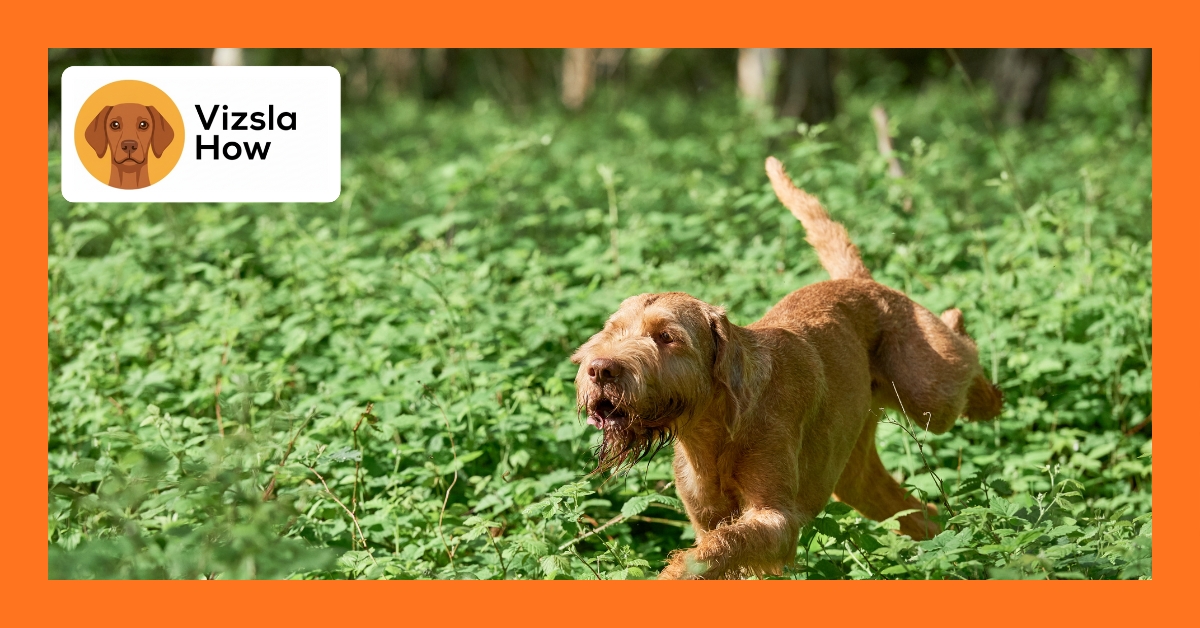
Quick Answer: Can Vizslas Live With Cats? Yes, Vizslas can live with cats, but success depends on the introduction method and the individual dog’s prey drive. Vizslas raised with cats or carefully introduced as adults adapt well in most cases. The main risk is their instinct to chase, managed with a slow, structured introduction and … Read more

Vizsla Inflammatory Polymyopathy: All You Need to Know

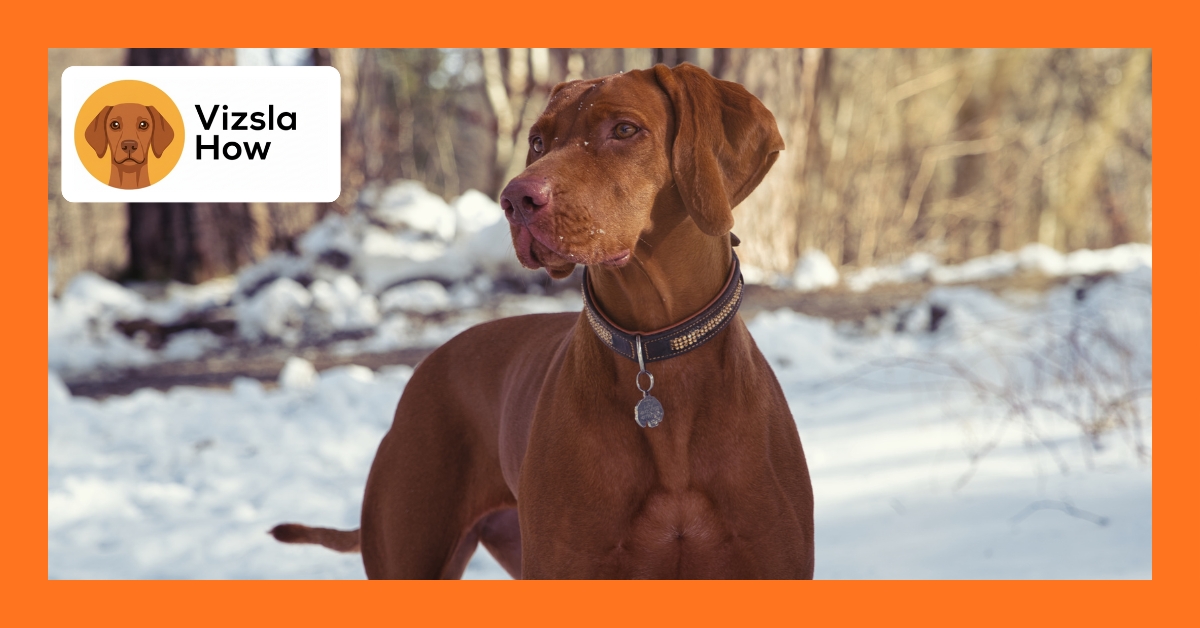
Quick Answer: What Is Vizsla Inflammatory Polymyopathy? Vizsla inflammatory polymyopathy is a breed-specific autoimmune disease where the immune system attacks the dog’s own muscle tissue. Signs include facial muscle wasting, difficulty swallowing, drooling, exercise intolerance, and weight loss. It is treatable with immunosuppressive medication but requires long-term vet management. Medical Disclaimer: This article is for … Read more

How Long Do Vizslas Live? Vizsla Lifespan Explained

Quick Answer: How Long Do Vizslas Live? Vizslas typically live 12 to 15 years, with well-cared-for dogs often reaching 14 to 16 years. They are one of the longer-lived medium-sized breeds. Key factors affecting lifespan include diet quality, regular exercise, routine vet care, and managing breed-specific conditions like epilepsy and hip dysplasia. Medical Disclaimer: This … Read more

Vizsla Separation Anxiety: Signs, Causes & What to Do

Quick Answer: Do Vizslas Get Separation Anxiety? Yes, Vizslas are one of the most separation-anxiety-prone breeds due to their intense velcro-dog bonding. Signs include destructive behavior, excessive barking, and accidents when left alone. Treatment combines adequate exercise before alone time, gradual desensitization training, and a consistent routine. Severe cases may need a vet or professional … Read more

Are Vizslas Hypoallergenic? The Truth for Allergy Sufferers

Quick Answer: Are Vizslas Hypoallergenic? No, Vizslas are not hypoallergenic. No dog breed truly is. However, Vizslas are single-coated and shed less than many breeds, making them more tolerable for some mild allergy sufferers. The main allergen is a protein called Can f 1, found in saliva, skin, and urine, not just fur. Medical Disclaimer: … Read more

Can Vizslas Handle Cold Weather? Temperature Guide 2026

Quick Answer: Can Vizslas Handle Cold Weather? Vizslas tolerate outdoor activity down to about 45°F (7°C) but start shivering noticeably at that temperature. Below 40°F (4°C) they need a jacket for any extended time outside. Below 32°F (0°C) keep outings brief and watch for shivering, slow movement, or lifted paws. They should never sleep outdoors. … Read more

When Do Vizslas Stop Growing? 2026 Size & Age Guide

Quick Answer: When Do Vizslas Stop Growing? Vizslas reach adult height around 12 months but don’t achieve full physical maturity until 18 to 24 months old. Growth plates close between 14 and 20 months. Avoid high-impact running and jumping on hard surfaces until after 18 months to protect developing joints. Medical Disclaimer: This article is … Read more

Why Is My Vizsla Not Eating? 7 Common Causes & Solutions

Quick Answer: Why Is My Vizsla Not Eating? The most common reasons a Vizsla stops eating are stress, a food change, dental pain, or minor illness. Vizslas are sensitive and can go off food during environmental changes. If the loss of appetite lasts more than 48 hours, is accompanied by lethargy or vomiting, or the … Read more

What Should I Do if My Vizsla Has Skin Bumps? Expert Guide

Quick Answer: What Are the Bumps on My Vizsla’s Skin? The most common skin bumps on Vizslas are lipomas (benign fatty lumps), sebaceous cysts, histiocytomas, or allergic reactions. Because Vizslas have short, thin coats, bumps are easier to spot than in heavy-coated breeds. Any new lump that grows quickly, feels hard, has irregular edges, or … Read more

Vizsla Underbite Concerns: What Owners Need to Know

Quick Answer: Is an Underbite a Problem in Vizslas? A minor underbite is usually cosmetic and causes no health issues. Pronounced underbites can cause teeth misalignment or gum irritation. If your Vizsla has a noticeable underbite, a veterinary dental check is recommended to confirm it is not causing discomfort. Dogs with significant underbites are generally … Read more