
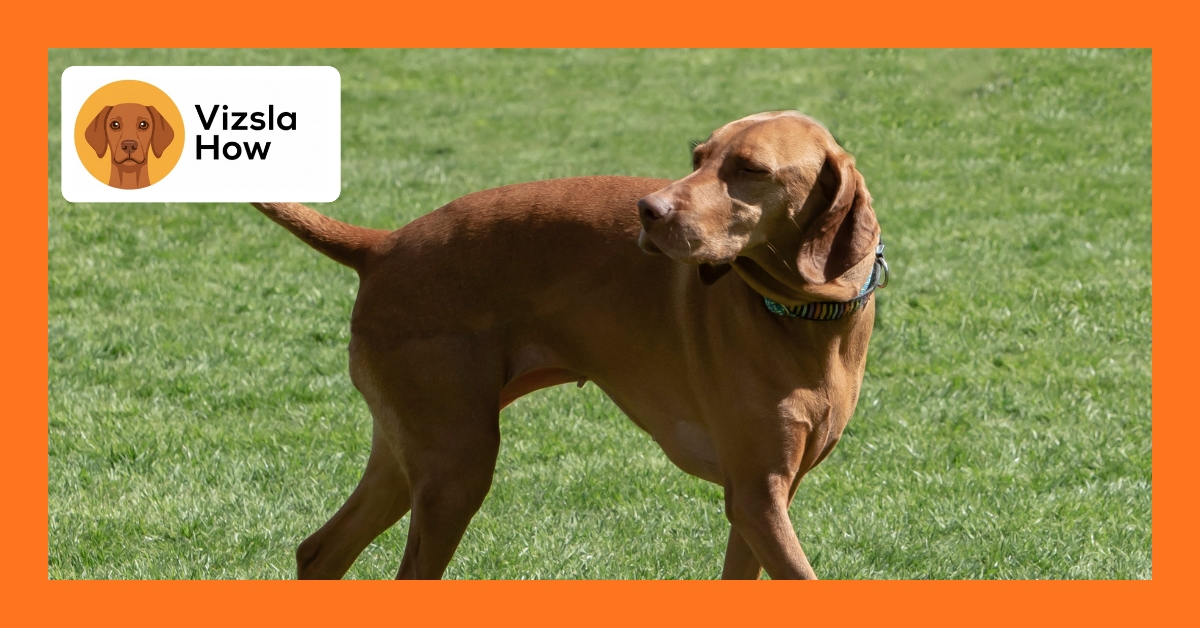
Vizslas tolerate outdoor activity down to about 45°F (7°C) but start shivering noticeably at that temperature. Below 40°F (4°C) they need a jacket for any extended time outside. Below 32°F (0°C) keep outings brief and watch for shivering, slow movement, or lifted paws. They should never sleep outdoors.
Your Vizsla can start shivering at temperatures as mild as 45°F, while a Husky happily naps in the same snow. That difference comes down to one thing: coat biology. If you have ever wondered can Vizslas handle cold weather, this temperature guide breaks down exactly when your rust-colored companion needs a coat, booties, or a cozy spot on the couch. If your Vizsla wears a jacket on cold runs, pair it with a close-fitting harness underneath — our Ruffwear Front Range review covers the best option for active Vizslas.
Hungarian Vizslas are elegant, athletic, and famously velcro-like, but their sleek single-layer coat offers minimal insulation against winter chill. Owners in northern climates often underestimate how quickly these lean dogs lose body heat, especially when wet or standing still.
Quick answer: Vizslas tolerate temperatures down to about 50°F comfortably, begin feeling cold in the mid-40s°F, and face serious hypothermia risk below 40°F. Active movement extends their tolerance, but wind, rain, or snow significantly lowers safe thresholds, making protective gear essential below 45°F.
Why Vizslas Struggle in Cold Weather
Unlike double-coated breeds such as German Shepherds or Huskies, Vizslas have a thin, smooth, single-layer coat with no insulating undercoat. This design suits their original purpose as Hungarian pointing and retrieving dogs during moderate seasons.
Their lean, muscular physique carries very little body fat, which means minimal natural insulation against the elements. According to iHeartDogs, this combination makes Vizslas chill rapidly when wet, inactive, or exposed to wind.
Single Coat vs. Double Coat: The Science
A double coat traps warm air between two layers, acting like a built-in parka. Vizslas lack this thermal buffer entirely, so cold air hits their skin almost immediately.
Interestingly, the Wirehaired Vizsla, a distinct breed, develops a denser winter undercoat and tolerates cold significantly better than its smooth-coated cousin.
Vizsla Cold Weather Temperature Guide
Use this chart as your go-to reference before every winter walk. Remember that individual tolerance varies based on age, health, and acclimation.
| Temperature | Risk Level | Recommended Action |
|---|---|---|
| 50°F and above (10°C+) | Safe | Normal outdoor activity, no gear needed |
| 45°F to 50°F (7 to 10°C) | Mild caution | Lightweight sweater for inactive periods |
| 40°F to 45°F (4 to 7°C) | Moderate | Insulated coat required, limit still time |
| 32°F to 40°F (0 to 4°C) | High | Coat plus booties, short walks only |
| Below 32°F (below 0°C) | Severe | Indoor only, bathroom breaks under 10 minutes |
| Below 20°F (below -6°C) | Dangerous | Frostbite and hypothermia risk, minimize exposure |
Modifiers That Lower Safe Thresholds
- Wet coat: Add 10°F to any risk level (a 50°F rainy day feels like 40°F)
- Wind chill: Sustained wind above 15 mph cuts tolerance by roughly 5 to 10°F
- Inactivity: Standing dogs cool two to three times faster than running dogs
- Age: Puppies and seniors lose heat faster and need earlier intervention
Signs Your Vizsla Is Too Cold
Vizslas often hide discomfort because they love being outdoors with you. Watch for these warning signals before conditions escalate.
- Persistent shivering that does not stop after a minute of movement
- Lifting paws alternately or refusing to walk on cold surfaces
- Tucked tail and hunched posture, a classic Vizsla cold signal
- Whining or looking toward home during the walk
- Slowed movement, lethargy, or confusion, which signal early hypothermia
If you notice two or more signs together, head inside immediately and warm your dog with a dry towel and a heated blanket.
How to Keep Your Vizsla Warm: Step-by-Step
Preparation is the difference between a miserable winter and an active one. Follow this simple protocol whenever temperatures drop below 45°F.
Step 1: Invest in a Properly Fitted Winter Coat
Choose a water-resistant, insulated coat that covers the chest and belly. Winter jackets designed for sporting dogs work exceptionally well because they add buoyancy, warmth, and protection from scrapes during field work.
Dog Jacket for Vizslas
Vizslas lose body heat fast. Their thin single coat and lean build offer almost no insulation below 45F, making a jacket essential for any outdoor activity in cool or cold weather.
Step 2: Protect the Paws
Snow, ice, and road salt damage sensitive Vizsla paw pads. Use rubber booties for temperatures below 32°F, or apply a paw balm like Musher’s Secret if your dog refuses boots.
Step 3: Adjust Feeding and Hydration
Active winter dogs burn roughly 10 to 15% more calories regulating body temperature. Slightly increase meal portions and always offer fresh, unfrozen water after outdoor time.
Step 4: Keep Walks Short and Brisk
Below 40°F, limit outings to 15 to 20 minutes of continuous movement. Avoid long stationary training sessions outdoors when the mercury drops.
Step 5: Dry Thoroughly After Every Outing
A wet Vizsla loses heat rapidly even indoors. Towel dry the coat, belly, and paws immediately after walks, and delay baths until your dog has warmed up fully.
Activity Matters: The Warming Effect of Movement
Vizslas originated in Hungary, where winters average 30 to 33°F. Historically, they hunted for hours in these conditions because sustained activity generates substantial body heat.
A running Vizsla in a 35°F forest often feels more comfortable than a leashed Vizsla standing at a 45°F bus stop. That said, once the activity stops, cooling accelerates quickly, so bring a coat for rest breaks.
Special Considerations: Puppies, Seniors, and Sick Dogs
Vizsla puppies under six months have underdeveloped temperature regulation and should stay indoors below 50°F except for bathroom breaks. Senior dogs over 10 often have reduced circulation and joint stiffness worsened by cold.
Dogs recovering from illness, surgery, or hypothyroidism also need warmer thresholds. When in doubt, consult your veterinarian for a personalized winter care plan.
Vizsla vs. Similar Breeds: Cold Tolerance Comparison
| Breed | Coat Type | Comfortable Minimum |
|---|---|---|
| Smooth Vizsla | Single, short | 45°F |
| Wirehaired Vizsla | Dense double | 25°F |
| Weimaraner | Single, short | 40°F |
| Labrador Retriever | Dense double | 20°F |
| Siberian Husky | Thick double | -10°F |
Key Takeaways
So, can Vizslas handle cold weather? Yes, but only with preparation and realistic limits. Here are the essentials to remember:
- Vizslas stay comfortable above 50°F and need a coat between 40 and 50°F
- Below 40°F, limit outdoor time and use booties plus insulated gear
- Wet, windy, or inactive conditions raise risk dramatically
- Active movement extends tolerance, but recovery chills happen fast
With the right gear and watchful eye, your Vizsla can enjoy snowy adventures while staying safe and warm all season long. For additional guidance on active outdoor time with your dog, consider reading about how much exercise Vizslas need to maintain their warmth-generating activity levels throughout winter.
Frequently Asked Questions
At what temperature do Vizslas get cold?
Vizslas begin feeling uncomfortable in the mid-40s°F (around 7°C) and show clear cold signs below 40°F (4°C). Their lack of undercoat and lean build accelerates heat loss, especially in wet or windy conditions. Always provide a coat below 45°F and limit outdoor exposure below freezing.
Can Vizslas sleep outside in winter?
No, Vizslas should never sleep outside when temperatures drop below 50°F. Their thin single coat offers almost no insulation during long, still periods, and overnight cold can trigger hypothermia. Always provide indoor sleeping quarters, ideally with a warm, padded bed away from drafts during colder months.
Orthopedic Dog Bed for Vizslas
Vizslas are active dogs that need quality rest between high-energy days. An orthopedic bed supports their joints and gives them a warm, dedicated space to call their own.
Do Vizslas need coats in winter?
Yes, most Vizslas need a winter coat whenever temperatures fall below 45°F. Choose a water-resistant, insulated jacket that covers the chest and belly, since these areas lose heat fastest. Neoprene vests work especially well for active dogs, while fleece layers suit casual neighborhood walks in dry, mild cold.
Can Vizslas play in the snow?
Absolutely, Vizslas often love snow play, but sessions should stay short and active. Limit snow time to 15 to 20 minutes above 32°F with a coat and booties, and watch for lifted paws or shivering. Dry your dog thoroughly afterward to prevent post-play chills from lingering moisture.
Are Wirehaired Vizslas better in cold weather?
Yes, Wirehaired Vizslas tolerate cold significantly better than smooth-coated Vizslas. They grow a dense double coat with a wooly undercoat each winter, providing natural insulation similar to retrievers. They can comfortably handle temperatures near 25°F, though extreme cold still requires the same protective precautions.
How do I know if my Vizsla has hypothermia?
Early hypothermia signs include uncontrollable shivering, lethargy, pale gums, slowed breathing, and confusion. Body temperature below 99°F is dangerous and warrants immediate veterinary care. Warm your dog gradually with blankets and warm (not hot) water bottles wrapped in towels while transporting to the vet without delay.
Do Vizslas need booties for snow?
Yes, booties are highly recommended when walking Vizslas on snow, ice, or salted roads. They prevent painful ice balls between toes, protect against chemical de-icers, and insulate sensitive paw pads below freezing. If your Vizsla refuses boots, apply a protective paw balm before walks and rinse paws afterward.
Written by Alex B.
Alex is a writer and dog enthusiast who has spent years researching the Vizsla breed. He created VizSlaHow to give dog owners a practical, honest resource about one of the most energetic and rewarding breeds in existence. He is not a veterinarian. For health concerns, always consult a qualified vet.