
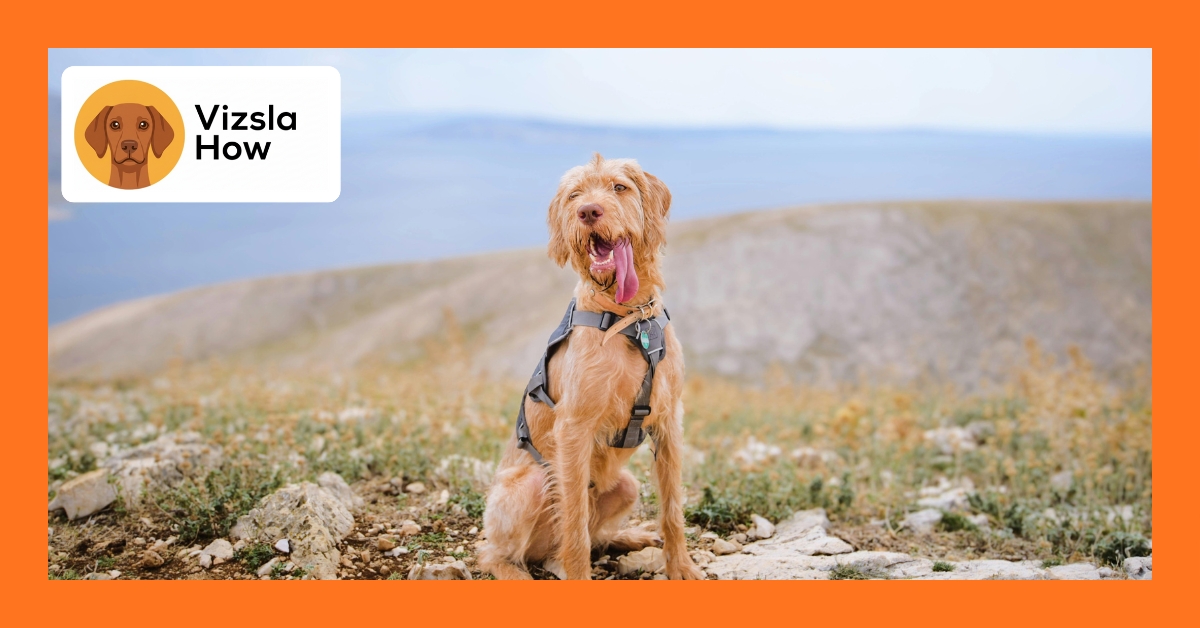
Picture this: your energetic Vizsla bouncing through the backyard, seemingly tireless even as the sun sets. You might assume this athletic breed can handle anything, including sleeping under the stars. But when temperatures drop, the reality becomes dangerously different.
Can Vizsla sleep outside? Vizslas should not sleep outside in cold weather due to their single-layer coat without an undercoat. They can become chilled at temperatures as high as the mid-40s°F and are at risk of hypothermia. Indoor sleeping is strongly recommended, especially in cold or unpredictable climates.
The question of outdoor sleeping arrangements for Vizslas has become increasingly urgent as more owners seek flexible living solutions. Understanding your Vizsla’s unique physiology and temperature tolerance is not just about comfort, it is about their health and safety. According to breed experts at Accidental Bird Dog, the lack of an insulating undercoat makes Vizslas particularly vulnerable to cold exposure during their 12 to 14 hours of daily sleep.
Why Vizslas Are Not Built for Outdoor Sleeping
The Vizsla’s elegant, rust-colored coat might look impressive, but it lacks the critical protection other breeds enjoy. Unlike German Shepherds or Huskies, Vizslas have a thin, single-layered coat with no undercoat for insulation.
This physiological limitation means heat escapes rapidly from their bodies. When temperatures dip into the mid-40s°F, your Vizsla can start experiencing discomfort and potential health risks.
Their high metabolism compounds the problem. While Vizslas require above-average caloric intake to fuel their energetic lifestyle, this increased metabolic rate does not translate into improved cold tolerance. In fact, the energy spent trying to stay warm can quickly deplete their reserves.
The Behavioral Need for Warmth and Security
Beyond physical limitations, Vizslas exhibit clear behavioral preferences for warmth. Many owners report their dogs actively seeking covered or cave-style beds during cold periods, instinctively protecting themselves from temperature drops.
These dogs are famously nicknamed “velcro dogs” for good reason. They crave constant human proximity and emotional security, needs that outdoor isolation fundamentally disrupts. This attachment is not just preference, it is wired into their temperament as companion hunting dogs bred to work alongside humans. If you’re wondering about whether Vizslas can be left alone, their strong attachment needs apply to sleeping arrangements as well.
Temperature Thresholds and Health Risks
Understanding specific temperature limits helps you make informed decisions about your Vizsla’s sleeping arrangements. The following table outlines critical temperature zones and associated risks:
| Temperature Range | Risk Level | Recommended Action |
|---|---|---|
| Above 60°F | Low | Supervised outdoor time acceptable with shelter |
| 50-60°F | Moderate | Limit outdoor exposure; provide warm bedding and jacket |
| 40-50°F | High | Indoor sleeping strongly recommended; risk of chilling |
| Below 40°F | Severe | Never allow outdoor sleeping; hypothermia risk |
These thresholds apply to healthy adult Vizslas. Puppies, senior dogs, and those with health conditions face even greater vulnerability and require more conservative temperature management.
Warning Signs of Cold Stress
Recognizing cold stress early can prevent serious health complications. Watch for these indicators:
- Shivering or trembling, even in seemingly mild conditions
- Reluctance to go outside or attempting to return indoors quickly
- Whining or anxiety when left in outdoor spaces
- Curling into tight balls or seeking enclosed spaces
- Lethargy or increased sleep beyond normal 12 to 14 hour patterns
If sleep patterns change dramatically or your Vizsla refuses outdoor sleeping spaces they previously accepted, consult your veterinarian. These behavioral shifts often signal discomfort or emerging health issues.
How to Create Safe Outdoor Sleeping Arrangements
If you absolutely must provide outdoor sleeping options, extreme modifications are non-negotiable. Half-measures put your Vizsla at serious risk.
Follow these essential steps to maximize safety:
- Install a heated, insulated dog house with walls at least 2 inches thick and a raised floor to prevent ground cold transfer
- Add a temperature-controlled heating pad or heated bed designed specifically for pets, with chew-proof cords
- Provide cave-style bedding with blankets or specialty beds that allow your Vizsla to burrow and retain body heat
- Position the shelter away from wind, rain, and direct weather exposure with the entrance facing away from prevailing winds
- Monitor temperatures constantly using outdoor thermometers, bringing your dog inside when temperatures approach 50°F
- Ensure 24/7 indoor access through dog doors or regular check-ins so your Vizsla can self-regulate temperature needs
Professional breeders in cold climates like Utah report success with these modifications, but universally emphasize this represents indoor-quality climate control moved outdoors, not true outdoor exposure. The investment in heating and insulation essentially recreates indoor conditions.
Regional and Climate Considerations
Geographic location dramatically impacts whether outdoor sleeping is ever advisable. In Mediterranean or consistently warm climates above 65°F year-round, supervised outdoor arrangements with proper shelter may work for short periods.
However, in Northern regions, areas with unpredictable weather, or anywhere temperatures regularly drop below 60°F at night, indoor sleeping is the only responsible choice. Even garage or kennel arrangements require heating systems to maintain safe temperatures.
Indoor Sleeping Solutions for Vizsla Owners
The good news is that indoor sleeping arrangements benefit both you and your Vizsla. These dogs thrive on companionship, and sharing your living space strengthens your bond while keeping them safe.
Contemporary owners have found multiple successful indoor sleeping strategies:
Crate Training for Comfort and Security
Properly sized crates provide den-like security that appeals to Vizslas’ natural instincts. Select a crate large enough for your dog to stand, turn, and lie comfortably, but cozy enough to feel protected.
Add soft, warm bedding and consider covering the crate with blankets to create a cave-like environment. Many owners report their Vizslas voluntarily retreat to their crates for naps throughout the day.
Bedding and Temperature Control Options
Invest in quality sleeping solutions designed for temperature-sensitive breeds. Cave beds with raised sides and plush interiors allow your Vizsla to burrow and stay warm without external heating.
For particularly cold-sensitive dogs, dog pajamas or jackets provide additional insulation during sleep hours. These garments have gained popularity among owners committed to temperature management without constantly adjusting home heating.
What Expert Breeders and Veterinarians Recommend
Breed authorities demonstrate near-unanimous agreement: Vizslas are not naturally suited to sleeping outside. The professional consensus emphasizes erring on the side of caution in all sleeping arrangements.
Established breeders who have worked with Vizslas for decades consistently recommend indoor sleeping, particularly during developmental puppy stages and senior years. Puppies require 18 to 20 hours of sleep daily and need warmth and security to develop properly.
Veterinary professionals warn that extended outdoor exposure during sleep hours increases risks beyond just hypothermia. Stress from isolation and temperature discomfort can compromise immune function, disrupt sleep quality, and trigger behavioral problems including separation anxiety.
The Exception: Temperate Climates with Conditions
A small subset of experienced owners in warm, stable climates report limited success with outdoor sleeping. However, even these cases involve substantial qualifications: constant weather monitoring, instant indoor access, premium shelters, and restriction to adult dogs in perfect health.
These exceptions prove the rule rather than challenge it. The modifications required essentially eliminate true outdoor exposure, instead providing climate-controlled outdoor spaces that mimic indoor conditions.
Making the Right Decision for Your Vizsla
When considering whether your Vizsla can sleep outside, prioritize their physiological needs over convenience. Their thin coat and companionship requirements make indoor sleeping the clear choice for responsible ownership.
If lifestyle factors make you consider outdoor arrangements, ask yourself these critical questions: Can you maintain temperatures above 60°F year-round? Will your dog have instant indoor access? Can you provide heated, insulated shelter equivalent to indoor conditions? Are you prepared for the substantial investment in climate control equipment?
For most owners, the answer leads back to indoor sleeping. The relatively small accommodation of an indoor crate or dog bed provides immeasurable benefits for your Vizsla’s health, comfort, and emotional wellbeing.
Remember that your Vizsla’s needs change throughout their life. Puppies and seniors require extra warmth and security, while even healthy adults benefit from consistent indoor sleeping arrangements that support their natural sleep cycles and social bonds.
Key Takeaways
The question of can Vizsla sleep outside has a clear answer rooted in breed physiology and welfare:
- Vizslas lack the undercoat insulation necessary for safe outdoor sleeping in temperatures below 50°F
- Indoor sleeping arrangements protect against hypothermia, stress, and behavioral issues while supporting their velcro dog temperament
- Any outdoor sleeping setup requires heated, insulated shelters with constant temperature monitoring and 24/7 indoor access
- Regional climate matters significantly, with only consistently warm areas potentially supporting modified outdoor arrangements
Your Vizsla depends on you to understand their unique vulnerabilities and provide appropriate sleeping conditions. Choose indoor arrangements that honor their need for warmth, security, and human companionship, and you will have a healthier, happier dog for years to come. You might also find it interesting to learn about why Vizslas love sleeping under covers, which further illustrates their temperature sensitivity.
Frequently Asked Questions
Can Vizslas sleep outside in summer?
Vizslas can spend supervised time outdoors during warm summer nights if temperatures remain above 60°F. However, they still need access to shelter, fresh water, and the ability to come indoors. Even in summer, sudden temperature drops, storms, or excessive humidity can create discomfort. Indoor sleeping remains the safest option year-round, as it eliminates variables and ensures consistent comfort during their 12 to 14 hours of daily sleep.
What temperature is too cold for a Vizsla to sleep outside?
Temperatures below 50°F are too cold for Vizslas to sleep outside safely. They can begin experiencing cold stress at temperatures in the mid-40s°F due to their single-layer coat without an undercoat. Below 40°F, the risk of hypothermia becomes severe. Always bring your Vizsla indoors when temperatures approach these thresholds, and never leave them outside overnight in cold weather without heated, insulated shelter and constant monitoring.
Do Vizslas need blankets or dog beds at night?
Yes, Vizslas benefit significantly from warm bedding at night due to their thin coat and temperature sensitivity. Cave-style beds with raised sides allow them to burrow and retain body heat. Soft blankets provide additional insulation and comfort. Many Vizslas instinctively seek covered sleeping areas during cold periods. Providing quality bedding supports their natural sleep needs and helps maintain proper body temperature throughout their 12 to 14 hour sleep cycle.
Can Vizsla puppies sleep outside?
No, Vizsla puppies should never sleep outside. Puppies require 18 to 20 hours of sleep daily and are even more vulnerable to cold than adults due to their developing systems and smaller body mass. They need warmth, security, and close proximity to caregivers for proper development. Outdoor sleeping during puppyhood increases risks of hypothermia, illness, anxiety, and developmental issues. Always provide indoor sleeping arrangements with warm bedding and crate training for puppy safety.
How can I tell if my Vizsla is too cold at night?
Signs your Vizsla is too cold include shivering, trembling, curling into tight balls, whining, reluctance to settle, or attempting to burrow under blankets excessively. Cold Vizslas may also show lethargy, seek warm spots obsessively, or refuse to leave warm areas. If your dog exhibits these behaviors, immediately provide additional warmth through blankets, dog pajamas, or moving to a warmer location. Persistent cold stress requires environmental changes to maintain temperatures above 60°F during sleep hours.
What is the best indoor sleeping arrangement for a Vizsla?
The best indoor sleeping arrangement includes a properly sized crate or cave-style bed in a quiet, draft-free area with temperatures between 65 and 75°F. Add soft, warm bedding and consider covering crates partially to create den-like security. Many Vizslas sleep in their owner’s bedroom due to their velcro dog nature, which strengthens bonds and provides security. Consistency in sleeping location and routine supports healthy sleep patterns and reduces anxiety in these companion-oriented dogs.
Can Vizslas sleep in a garage or outdoor kennel?
Vizslas can sleep in garages or outdoor kennels only if these spaces maintain indoor-equivalent conditions. This requires heating systems to keep temperatures above 60°F, insulation against drafts, soft bedding, and protection from weather exposure. However, these arrangements still separate your Vizsla from family interaction they crave. If using garage or kennel sleeping, ensure your dog receives substantial companionship during waking hours and consider this a temporary rather than permanent solution for this highly social breed.