
The best activities for Vizslas combine physical exercise with mental engagement. Top options include running, hiking, swimming, fetch training, field work, and dog sports like agility and nose work. Vizslas also benefit from puzzle feeders and training sessions that challenge them cognitively. Variety is essential: this breed needs more than the same daily walk to stay content.
Vizslas require 60-90 minutes of daily exercise combined with mental stimulation through activities like fetch, swimming, agility training, and interactive puzzle games to prevent destructive behaviors and maintain their physical and emotional health.
Without proper engagement, these intelligent, high-energy dogs can quickly become bored and develop problematic behaviors that no owner wants to deal with.
I’ve discovered that successful Vizsla playtime isn’t just about burning energy; it’s about creating meaningful connections while satisfying their natural hunting instincts and need for mental challenges.
Understanding Your Vizsla’s Exercise Needs
When you first bring your Vizsla home, you quickly realize that Vizslas aren’t your average couch potato dogs. These athletic beauties were bred for hunting and have an incredible drive for activity that needs to be channeled properly.
Adult Vizslas like Max need a minimum of 60-90 minutes of exercise daily, but honestly, they can go for hours if you let them. The key is mixing high-intensity activities with mental stimulation to create a well-rounded routine.
For puppies, the rule is about five minutes of exercise per month of age per session. So a three-month-old puppy should only get about 15 minutes of structured play at a time to protect their developing joints.
High-Energy Physical Activities
Running and Jogging
Vizslas make incredible running companions because of their natural stamina and desire to stay close to their humans.
No-Pull Harness for Vizslas
A well-fitted harness gives you better control on walks and runs while keeping your Vizsla comfortable.
Check Price on Amazon → (paid link)
I advise you to take him on everything from urban neighborhood jogs to challenging trail runs; your Vizsla will adapt beautifully to different terrains. Their lean build and powerful legs make them perfect for longer distances.
Start slowly if your Vizsla isn’t used to running, and always check the pavement temperature with your hand; if it’s too hot for you, it’s too hot for their paws.
Fetch and Frisbee Games
These fast-paced games are perfect for Vizslas because they combine running, jumping, and the satisfaction of “retrieving” prey.
Varying the throwing patterns keeps them mentally engaged, sometimes high arcs, sometimes ground balls, and occasionally hiding the ball for them to find.
Frisbee is particularly great because it improves their coordination and gives them a chance to show off those impressive jumping abilities.
Swimming Adventures
Thanks to their webbed feet, Vizslas are natural swimmers, and Max took to water like he was born for it. Swimming provides an excellent low-impact workout that’s especially beneficial for puppies and senior dogs.
Always make sure your Vizsla is comfortable in the water and never force them. After swimming sessions, make sure to dry him thoroughly because Vizslas can get cold quickly with their short coats.
Lakes, dog-friendly beaches, and even kiddie pools in the backyard can provide great swimming opportunities depending on your location.
Mental Stimulation and Training Activities
Agility Training
You can create simple DIY obstacles using household items, broomsticks for jumps, cardboard boxes for tunnels, and cones for weaving. The mental challenge of learning new sequences keeps Max engaged long after the physical exercise ends.
Agility training also strengthens our bond as we work together as a team, which Vizslas absolutely thrive on.
Puzzle Games and Scent Work
Vizslas have incredible noses. I advise tapping into your Vizsla’s natural hunting instincts through scent games and puzzle feeders.
Hide treats around the house or yard and let them use their nose to find them. I also use interactive puzzle toys during mealtimes to slow down his eating while providing mental stimulation.
Outdoor Adventures and Exploration
Hiking and Trail Exploration
Vizslas were bred for outdoor work, and they absolutely love exploring new environments and challenging terrain.
Try to always research dog-friendly trails and bring plenty of water for both of you. Sometimes, let your Vizsla carry a small pack with his own supplies, which gives him a sense of purpose and adds a bit of extra exercise.
The mental stimulation from new sights, sounds, and smells on trails is just as valuable as the physical exercise.
Social Play and Dog Parks
Vizslas are naturally social dogs, and Max benefits greatly from supervised play with other dogs. Dog parks provide opportunities for him to practice social skills while getting exercise.
Always supervise these interactions and make sure the other dogs are a good match for your Vizsla’s play style. Some Vizslas can be a bit intense for more laid-back breeds.
Organized playgroups or puppy socialization classes are also excellent options for younger Vizslas.
Age-Appropriate Activity Guidelines
| Age Group | Exercise Duration | Best Activities | Special Considerations |
|---|---|---|---|
| Puppies (2-6 months) | 5 minutes per month of age, twice daily | Short walks, gentle play, basic training | Avoid jumping and long distances |
| Young Adults (6 months-2 years) | 60-90 minutes daily | Running, agility, swimming, hiking | High energy, need mental challenges |
| Adults (2-7 years) | 60-90 minutes daily | All activities, competitive sports | Peak physical condition |
| Seniors (7+ years) | 30-60 minutes daily | Swimming, gentle walks, puzzle games | Joint-friendly, low-impact activities |
Creating a Balanced Routine
The key to keeping your Vizsla happy and well-behaved is creating a routine that combines physical exercise, mental stimulation, and bonding time.
Your typical day should include a morning run or walk, an afternoon training session with treats and puzzles, and an evening game of fetch or frisbee.
You will learn to watch for signs that your Vizsla needs more stimulation. These include destructive behavior, excessive barking, or restlessness, which usually mean you need to step up your activity level.
Indoor Activities for Bad Weather
Living with a high-energy breed means having backup plans for rainy days or extreme weather. Indoor activities that work well for Vizslas include:
- Tug-of-war games with rope toys
- Hide-and-seek throughout the house
- Training sessions with new tricks
- Interactive puzzle feeders and treat-dispensing toys
- Stair climbing (for adult dogs only)
Seasonal Considerations
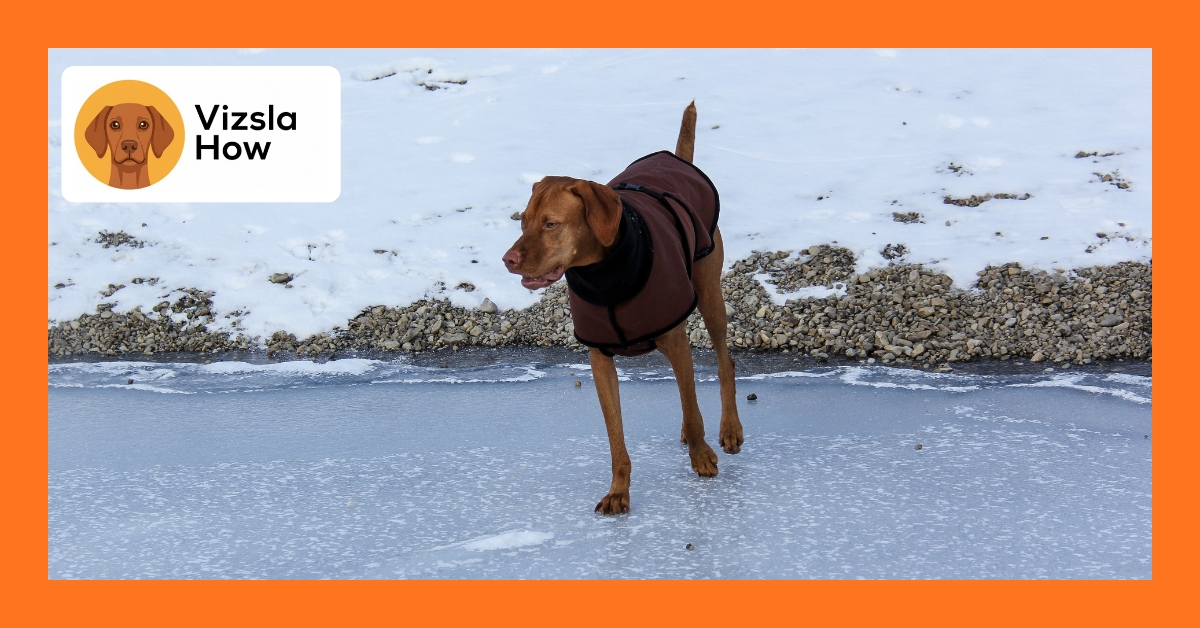
Vizslas’ short coat means you need to adjust your activities based on weather conditions. In summer, try to exercise early morning and evening to avoid heat, while in winter, your Vizsla requires protective gear for longer outdoor sessions.
Swimming is fantastic in hot weather, while indoor agility work keeps us active during cold spells.
Safety Tips and Precautions
Safety should always be your top priority when planning activities for your Vizsla. Always start new activities slowly and build up intensity gradually.
Watch for signs of overexertion like excessive panting, drooling, or stumbling. Vizslas are so eager to please that they might push themselves too hard.
Keep fresh water available during all activities, and be mindful of hot pavement, sharp objects, and other environmental hazards.
Conclusion
Living with a Vizsla like Max has taught me that these incredible dogs need more than just a daily walk; they need purposeful, engaging activities that challenge both their bodies and minds.
The investment in proper exercise and mental stimulation pays off tremendously in the form of a well-behaved, happy, and healthy companion.
Remember that every Vizsla is unique, so experiment with different activities to find what your dog enjoys most. The key is consistency and variety to keep them engaged and fulfilled.
Breakaway Collar for Vizslas (Adjustable)
A quality collar is essential for ID tags and everyday wear. Choose one sized for a lean, athletic breed.
Check Price on Amazon → (paid link)
Frequently Asked Questions
How do I know if my Vizsla is getting enough exercise?
A well-exercised Vizsla should be calm and relaxed at home, sleep well at night, and show good behavior overall. Signs of under-exercise include destructive behavior, excessive barking, restlessness, and difficulty settling down. If your Vizsla displays these behaviors, gradually increase their daily activity level.
Can Vizslas live in apartments?
Yes, Vizslas can adapt to apartment living, but only if they receive sufficient daily exercise outdoors. They need at least 60-90 minutes of vigorous activity daily, plus mental stimulation. Without adequate exercise, apartment living can lead to behavioral problems due to their high energy levels.
What’s the best age to start agility training with a Vizsla puppy?
You can start basic agility foundation work with puppies as young as 8-12 weeks using low obstacles and focusing on confidence building. However, avoid jumps and intense training until after 12-18 months when their growth plates have closed. Focus on basic commands, body awareness, and fun interactions with equipment first.
How much swimming is safe for my Vizsla?
Swimming is an excellent low-impact exercise for Vizslas, but start with short 10-15 minute sessions and gradually build endurance. Always supervise water activities, ensure your dog is comfortable swimming, and dry them thoroughly afterward. For puppies and seniors, shorter, more frequent swimming sessions are ideal.
What should I do if my Vizsla becomes destructive despite regular exercise?
If destructive behavior continues despite adequate physical exercise, focus on increasing mental stimulation through puzzle toys, training sessions, and scent work. Sometimes Vizslas need more mental challenges than physical ones. Also, ensure they’re getting enough social interaction and aren’t experiencing separation anxiety, which can manifest as destructive behavior.
Written by Alex B.
Alex is a writer and dog enthusiast who has spent years researching the Vizsla breed. He created VizSlaHow to give dog owners a practical, honest resource about one of the most energetic and rewarding breeds in existence. He is not a veterinarian. For health concerns, always consult a qualified vet.
About the Author
Alex B. is a Vizsla owner and enthusiast who writes about the breed’s unique needs, personality, and care requirements. All advice is based on personal experience and research from veterinary and breed-specific sources.