
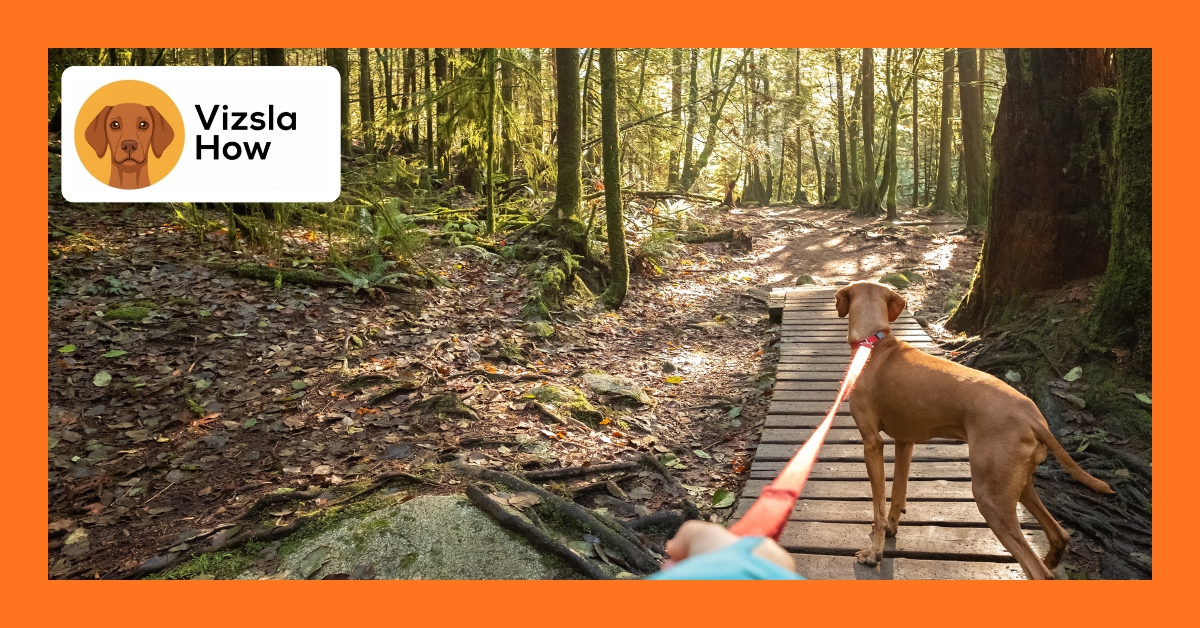
Vizslas don’t typically run away out of disloyalty. Their powerful prey drive can trigger sudden bolting after birds, rabbits, or squirrels. Without solid recall training and a secure environment, even the most devoted Vizsla can chase wildlife for a significant distance. The good news is this is entirely preventable with the right training foundation.
Vizslas are famously loyal Hungarian pointers, often nicknamed Velcro dogs because they want to be with their humans 100% of the time. Yet their hunting heritage creates a fascinating contradiction that every owner needs to understand before opening the back door.
Do Vizslas Run Away? Understanding the Velcro Dog Paradox
Vizslas were bred over 1,000 years ago by Hungarian Magyar warriors as close-working hunting companions. Unlike independent scent hounds, they were designed to stay near their handlers while pointing and retrieving game.
This is why they follow you from room to room, lean against your legs, and panic when left alone too long. According to Pooch & Mutt’s breed experts, this attachment is hardwired into their DNA.
So why do they bolt? The same hunting instinct that keeps them close also activates their chase reflex when prey appears. A Vizsla isn’t running away from you. They’re running toward something their genes can’t ignore.
The Prey Drive Problem
Vizslas were engineered to spot, point, and pursue. When a rabbit flushes from a bush, instinct overrides obedience in untrained dogs. Birds, squirrels, chipmunks, and even blowing leaves can trigger this behavior.
With top speeds reaching 40 mph, a Vizsla can cover a quarter mile before you finish shouting their name. That’s why supervision and recall training matter so much.
Top 5 Reasons Vizslas Bolt From Their Owners
Understanding the trigger helps you prevent the escape. Here are the most common reasons Vizslas take off, based on insights from breeders and trainers:
No-Pull Harness for Vizslas
A well-fitted harness is essential for long-line recall training and everyday walks. Choose one sized for a lean, athletic build.
Check Price on Amazon → (paid link)
- High prey drive activation: Sudden movement from wildlife triggers an instinctive chase response.
- Insufficient exercise: An under-stimulated Vizsla may escape yards seeking adventure.
- Separation anxiety: Long hours alone can drive them to bolt looking for their human.
- Weak recall training: Without reliable “come” command conditioning, freedom wins over obedience.
- Boredom and frustration: Mental stagnation leads to destructive behavior, including digging under fences.
Energy Mistaken for Anxiety
Many new Vizsla owners mislabel high energy as behavioral problems. According to The Dog Walks Me, this misunderstanding contributes to abandonment rates, as families realize too late that they can’t meet the breed’s needs.
Vizsla Exercise Requirements: The Anti-Escape Foundation
A tired Vizsla is a stay-at-home Vizsla. These athletes need a minimum of 2 hours of vigorous activity daily, plus mental enrichment to stay balanced. For more detailed guidance on meeting these exercise needs, check out our comprehensive guide on do Vizslas need a lot of exercise.
However, exercise type matters as much as duration. Young dogs under 12 to 18 months should not jog on hard surfaces, as their growth plates are still developing.
Age-Appropriate Exercise Guide
| Age | Recommended Activity | Duration | Avoid |
|---|---|---|---|
| 8 to 16 weeks | Free play, short sniff walks | 20 to 30 min | Forced jogging, stairs |
| 4 to 12 months | Off-leash zig-zag play, fetch | 60 to 90 min | Long-distance running |
| 12 to 18 months | Light jogging, swimming, hiking | 90 to 120 min | Marathon distances |
| 18 months and up | Running, agility, hunting work | 2+ hours | Sedentary days |
| Senior (8+ years) | Moderate hikes, swimming | 60 to 90 min | High-impact sprints |
How to Train a Bulletproof Recall: Step-by-Step Protocol
Reliable recall is your insurance policy against runaway disasters. Follow this proven protocol, adapted from professional gun dog trainers:
Step 1: Build Value Indoors
Start in a distraction-free room with high-value treats like chicken or cheese. Say your dog’s name followed by “come,” and reward generously when they approach. Repeat 10 times daily for one week.
Step 2: Add a Long Line
Move outdoors with a 30-foot training lead. Practice in your yard, then quiet parks. The line prevents failure while building confidence on both ends of the leash.
Step 3: Introduce Mild Distractions
Practice near other dogs, joggers, and scents. If your Vizsla ignores you, gently reel them in and reward when they reach you. Never punish a recall, even a slow one.
Step 4: Proof Around Wildlife
This is the hardest stage. Train near areas with squirrels or birds while still on the long line. Use an emergency recall word (something unique like “NOW!”) paired with jackpot rewards.
Step 5: Off-Leash Graduation
Only release the line in fully enclosed or remote areas after 6 to 12 months of consistent success. Even then, experts at Salti Vizslas recommend keeping a leash handy in unfamiliar terrain. For detailed recall training techniques, our Vizsla puppy recall training guide offers step-by-step instructions for all skill levels.
Vizsla vs. Similar Breeds: Runaway Risk Comparison
How does the Vizsla stack up against other high-energy hunting breeds? Here’s an honest comparison:
| Breed | Prey Drive | Attachment Level | Runaway Risk | Recall Trainability |
|---|---|---|---|---|
| Vizsla | High | Very High | Moderate | Good with consistency |
| Weimaraner | Very High | High | High | Moderate |
| Greyhound | Extreme | Moderate | Very High | Difficult |
| German Shorthaired Pointer | Very High | High | High | Good |
| Labrador Retriever | Moderate | High | Low | Excellent |
The takeaway? Vizslas are more reliable than greyhounds or weimaraners off-leash, but they still demand serious training investment.
Securing Your Home and Yard
Even with great recall, physical barriers protect your dog when instinct strikes. Consider these non-negotiable safety measures:
- Fence height of at least 6 feet: Vizslas can clear 4-foot fences from a standing position.
- Buried wire or concrete footers: Prevents digging escape attempts during boredom spells.
- Double-gated entries: Creates an airlock so your dog can’t dart past visitors.
- GPS tracking collar: Modern devices like AirTags or Tractive provide real-time location if escape happens.
- Microchip with updated info: Your last line of defense if collars come off during a chase.
Indoor Management
Door dashing causes many Vizsla escapes. Train a solid “wait” command at every threshold, and use baby gates near front doors during high-traffic moments like deliveries. A quality safety jacket can also provide visibility and control during outdoor training sessions.
When Separation Anxiety Drives Escape
Vizslas left alone for 8+ hours daily often develop destructive escape behaviors. They’ll chew door frames, jump through screens, and dig through drywall to find their humans.
If you work long hours, consider doggy daycare, midday walkers, or a companion pet. The breed simply isn’t suited for solo lifestyles, and forcing it leads to heartbreak for everyone involved. Learn more about managing this challenge in our guide on Vizsla separation anxiety signs and solutions.
Conclusion: Keeping Your Vizsla Safe and Close
So do Vizslas run away? Yes, they can, but only when their needs go unmet or their training falls short. Here are the key takeaways every owner should remember:
- Prey drive is real: Even loyal Vizslas chase wildlife on instinct, so always supervise in open spaces.
- Exercise prevents escape: Two-plus hours of daily activity keeps boredom-driven runaways at bay.
- Recall training is non-negotiable: Invest 6 to 12 months in proofing your come command before going off-leash.
- Secure environments matter: Tall fences, GPS collars, and microchips create essential safety nets.
With the right approach, your Vizsla will be the loyal shadow you imagined, sticking by your side through every adventure rather than disappearing into the horizon. A reliable training harness can provide better control during the training process while keeping your adventurous companion safe and secure.
Adjustable Collar for Vizslas
A quality collar is essential for ID tags and everyday wear. Choose one sized for a lean, athletic breed.
Check Price on Amazon → (paid link)
Frequently Asked Questions
Are Vizslas a flight risk off-leash?
Vizslas can be a flight risk off-leash, especially before their recall is fully proofed against wildlife distractions. Their 40 mph sprint speed and strong prey drive mean even a moment’s distraction can result in a long chase. Most trainers recommend off-leash freedom only after 12 months of consistent recall training in controlled environments.
At what age do Vizslas calm down and stop running off?
Vizslas typically begin showing more mature, settled behavior between 2 and 3 years old, though full mental maturity often arrives around age 4. Younger Vizslas have higher energy and weaker impulse control, making them more likely to bolt. Consistent training during the first two years dramatically reduces escape attempts as they age.
Why does my Vizsla suddenly run away from me?
Sudden running typically results from prey drive activation, fear triggers, or insufficient bonding. Common culprits include spotting wildlife, hearing loud noises, or experiencing harsh training methods that damaged trust. Vizslas are sensitive souls, so review your training approach and ensure you’re using positive reinforcement rather than punishment-based corrections.
Can Vizslas be trusted off-leash in dog parks?
Vizslas can be trusted in fully enclosed dog parks once they have solid recall and good social skills. However, open parks without fencing pose serious risks due to their hunting instincts. Always assess the environment first, keep your dog within sight, and bring high-value treats to maintain attention against distractions like other dogs or wildlife.
How far will a Vizsla run if it escapes?
An escaped Vizsla can travel several miles in pursuit of prey or out of panic. Their endurance allows sustained running for hours, and unfamiliar territory often disorients them further. This is why GPS tracking collars and microchips are essential. Most lost Vizslas are recovered within 24 hours when owners act quickly and notify local shelters.
Do Vizslas jump fences to escape?
Yes, Vizslas can easily jump fences under 5 feet tall, especially when motivated by squirrels, other dogs, or separation anxiety. Their athletic build and high prey drive make them capable jumpers. Most experts recommend 6-foot privacy fences with no climbable objects nearby. Some owners also install coyote rollers or angled fence toppers for extra security.
Are male or female Vizslas more likely to run away?
Intact males generally have higher runaway risk due to roaming instincts when females are in heat nearby. However, both sexes show similar prey-driven chase behavior. Spaying or neutering reduces hormone-driven escape attempts significantly. Beyond hormones, individual temperament, training quality, and exercise levels matter far more than sex when predicting escape tendencies in this breed.
About the Author
Alex B. is a Vizsla owner and enthusiast who writes about the breed’s unique needs, personality, and care requirements. All advice is based on personal experience and research from veterinary and breed-specific sources.