
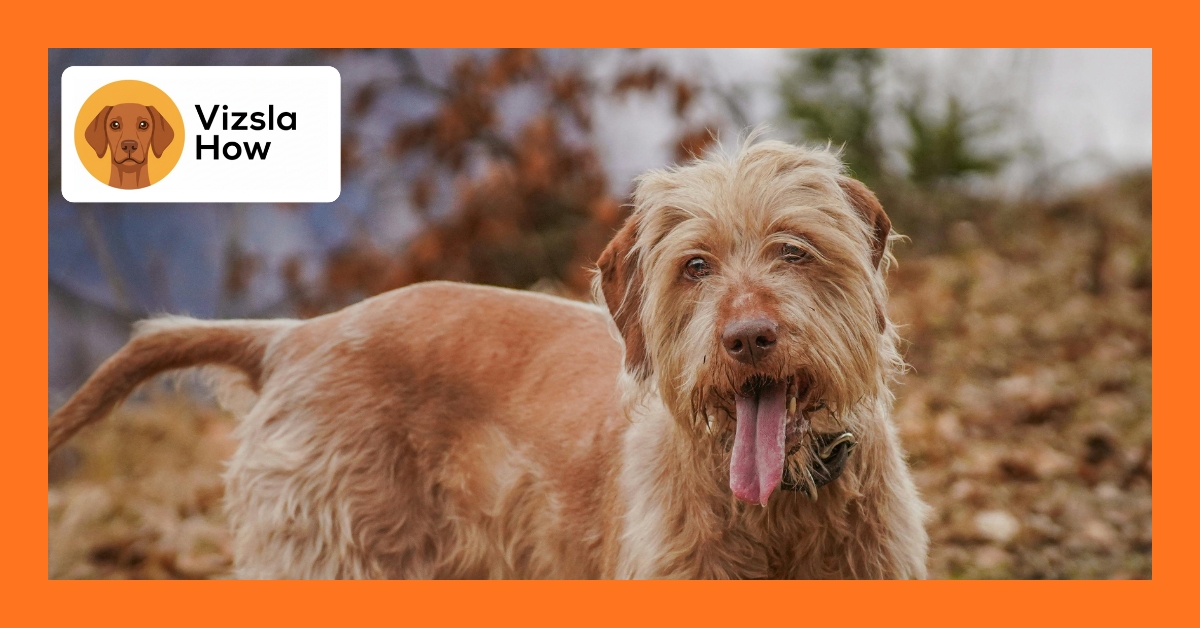
No, for most first-time owners. Vizslas require 1 to 2 hours of vigorous daily exercise, constant companionship, and consistent positive-reinforcement training. Veterinary and breed experts widely agree they are better suited to experienced owners who can meet their intense physical and emotional demands.
Vizslas are one of the most demanding breeds in the sporting group, and that gap between expectation and reality catches many first-time owners off guard. Their sleek looks and affectionate reputation attract a lot of interest, but the daily reality, two hours of hard exercise, zero tolerance for being left alone, and a training sensitivity that punishes inconsistency, is a steep commitment for anyone new to dog ownership.
This guide unpacks the temperament, exercise needs, and common pitfalls that trip up novice owners, drawing on insights from the PDSA and other trusted veterinary sources. By the end, you will know whether this velvety “Velcro dog” fits your lifestyle or if a gentler beginner breed is the smarter choice.
Why Vizslas Are Not Recommended for First-Time Owners
Every major veterinary and breed authority, from the VCA to the PDSA, explicitly warns beginners away from Vizslas. The reasons are consistent and backed by decades of owner experience.
Vizslas were bred in Hungary to hunt all day alongside aristocrats, pointing game and retrieving from dawn to dusk. That drive has not faded in modern pets. Without a firm handler and a busy schedule, these dogs spiral into anxiety and destruction fast.
The Core Problems Novices Face
- Relentless energy: Boredom turns into chewed sofas, shredded shoes, and incessant whining.
- Separation anxiety: Leaving a Vizsla alone for a standard workday often triggers panic behaviors.
- Training sensitivity: Harsh corrections cause them to shut down, while inconsistent commands create stubbornness.
- Physical strength: A 60-pound adult can easily knock over children or pull a small adult off their feet.
The Velcro Dog Phenomenon Explained
Vizslas earned the nickname “Velcro dog” because they physically stick to their humans. Expect one in your lap during dinner, in the bathroom during showers, and pressed against your leg on the couch.
VCA experts note that Vizslas “do not hang out on their own, ever.” This extreme attachment is charming for remote workers and retirees, but devastating for households where everyone leaves by 8 a.m. To understand more about this breed trait, read our detailed guide on Vizsla separation anxiety.
Signs of Separation Distress
- Excessive drooling or pacing before you leave
- Howling or barking that neighbors complain about
- Destructive chewing focused on doors and windows
- Self-soothing licking that leads to hot spots
- House-training regression despite prior success
Exercise Demands: A Reality Check
If your idea of dog exercise is a 20-minute stroll after work, a Vizsla will make your life miserable. These athletes need heart-pumping movement, not leisurely walks.
Breed specialists recommend at least 7 hours of off-leash running per week, combined with mental puzzles and scent work. That equates to an hour of hard exercise most days, rain or shine. For detailed insights into their activity requirements, check out our comprehensive article on Vizsla exercise needs.
Vizsla vs. Beginner-Friendly Breeds
| Trait | Vizsla | Labrador Retriever | Cavalier King Charles |
|---|---|---|---|
| Daily exercise | 1 to 2+ hours vigorous | 1 hour moderate | 30 minutes light |
| Alone time tolerance | Very low | Moderate | Moderate |
| Training difficulty | High (sensitive) | Low (eager) | Low (gentle) |
| First-time owner fit | Not recommended | Excellent | Excellent |
| Shedding | Light | Heavy | Moderate |
| Average lifespan | 12 to 14 years | 10 to 12 years | 12 to 15 years |
How to Know if You Can Actually Handle a Vizsla
Before you fall for those amber eyes, run through this honest self-assessment. If you cannot confidently check every box, choose a different breed.
Step-by-Step Vizsla Readiness Check
- Audit your schedule: Can someone be home with the dog for at least 20 hours of the workweek?
- Measure your yard or access: Do you have a secure, fenced space or daily trail access for off-leash running?
- Review your fitness: Are you willing to run, hike, or bike at least 5 days per week in any weather?
- Budget realistically: Can you afford $1,500+ annually for quality food, vet care, and professional training classes?
- Check family buy-in: Will every household member follow identical positive-reinforcement cues?
- Plan for 14 years: Are you committed through career changes, moves, and life events?
Training a Vizsla: Why Experience Matters
Vizslas are brilliant. That intelligence cuts both ways. They learn desired behaviors quickly, but they also learn loopholes, counter-surfing, and door-dashing just as fast.
Because of their soft temperament, yelling or leash-jerking backfires badly. A Vizsla that feels bullied becomes fearful, withdrawn, or reactive. First-time owners often lack the timing and consistency these dogs demand. If you decide to proceed, investing in a proper training harness can make handling and positive reinforcement training much more effective.
No-Pull Harness for Vizslas
A well-fitted harness makes positive reinforcement training more effective and gives you better control during the first months with your Vizsla.
Training Essentials That Cannot Be Skipped
- Early socialization: Expose puppies to 100+ people, places, and sounds before 16 weeks.
- Accredited puppy classes: Enroll with a certified force-free trainer, not a big-box store generalist.
- Crate training: Build positive crate associations to prevent destruction when alone.
- Impulse control games: Practice “wait,” “leave it,” and settle work daily.
- Bite inhibition: Redirect the notorious Vizsla “play nip” before adult teeth arrive.
Family Life, Kids, and Other Pets
Vizslas adore children in rough-and-tumble, active households. However, their exuberant jumping and nipping can overwhelm toddlers or elderly relatives.
They typically coexist well with other dogs, especially if raised together. Cats and small pets are trickier because the breed’s hunting instinct remains strong. Supervision and careful introductions are non-negotiable. For more detailed guidance on this topic, see our complete guide on Vizslas and cats.
Better First-Dog Alternatives to Consider
If the Vizsla profile sounds like too much, several breeds deliver affection and activity without the extreme demands.
- Labrador Retriever: Forgiving, trainable, and happy with moderate exercise.
- Golden Retriever: Gentle, patient with kids, and tolerant of training mistakes.
- Cavalier King Charles Spaniel: Affectionate lap dog with manageable energy.
- Bichon Frise: Cheerful, small, and adaptable to apartments.
- Standard Poodle: Smart and athletic but more emotionally resilient than a Vizsla.
Key Takeaways
Here is the honest bottom line on whether a Vizsla is a good first dog:
- Vizslas need 1 to 2 hours of vigorous daily exercise, far beyond typical beginner expectations.
- Their Velcro personality means they cannot tolerate long solo hours without anxiety.
- Sensitive, intelligent, and strong, they require experienced, positive-reinforcement handling.
- For most first-time owners, breeds like Labradors or Cavaliers deliver more joy and less stress.
Love the look but not the lifestyle? Volunteer with a Vizsla rescue before committing. You will either fall deeper in love or realize a calmer companion suits you better. If you do decide a Vizsla is right for you, ensure you have a comfortable quality dog bed for their significant rest periods between intense exercise sessions.
Orthopedic Self-Warming Dog Bed for Small Breeds
Vizslas rest hard between exercise sessions. An orthopedic bed gives their joints the recovery support they need.
Frequently Asked Questions
Can a Vizsla live in an apartment?
Yes, but only if the owner commits to 2+ hours of outdoor activity daily and works from home or has a midday dog walker. Vizslas do not need acreage, they need movement and companionship. Without both, apartment life triggers barking, destruction, and neighbor complaints that often end in surrender.
How long can a Vizsla be left alone?
Adult Vizslas tolerate 4 hours alone at most, and many struggle with even that. Puppies should never be left more than 2 hours. Because separation anxiety is so common in this breed, most reputable breeders refuse to sell to households where the dog would regularly be alone for a full workday.
Are Vizslas good with kids?
Vizslas typically love children in active families, but their size and exuberance can overwhelm toddlers. Expect accidental knockdowns and play-nipping during puppyhood. They thrive in homes with older, energetic kids who can join hikes and games. Always supervise interactions and teach children respectful handling from day one.
Is a male or female Vizsla better for beginners?
Neither sex is truly beginner-friendly, but females tend to mature faster and show slightly more independence. Males are often larger, goofier, and more persistently clingy. Individual temperament and early training matter far more than sex. If you are set on a Vizsla, prioritize a reputable breeder’s match recommendation over gender preference.
How much does a Vizsla cost per year?
Expect $1,500 to $3,000 annually after the initial puppy purchase of $1,500 to $2,500. Costs include premium food, routine vet care, training classes, pet insurance, and activity gear like harnesses and cold-weather coats. Unplanned vet bills for common issues such as hip or eye concerns can quickly push yearly totals higher.
Do Vizslas bark a lot?
Vizslas are moderate barkers, not watchdogs. They may whine, howl, or vocalize when anxious, excited, or bored, but they rarely alert-bark at strangers because they are too friendly. Persistent barking usually signals unmet exercise needs or separation distress rather than a natural talkative streak, so address the root cause first.
What is the biggest regret Vizsla owners share?
Across forums and breed clubs, the most common regret is underestimating the time commitment. New owners expect a sleek, easygoing companion and instead face a shadow that cannot be left alone, ignored, or under-exercised. Owners who thrive plan their work, travel, and social lives around the dog, not the other way around.
About the Author
Alex B. is a Vizsla owner and enthusiast who writes about the breed’s unique needs, personality, and care requirements. All advice is based on personal experience and research from veterinary and breed-specific sources.