
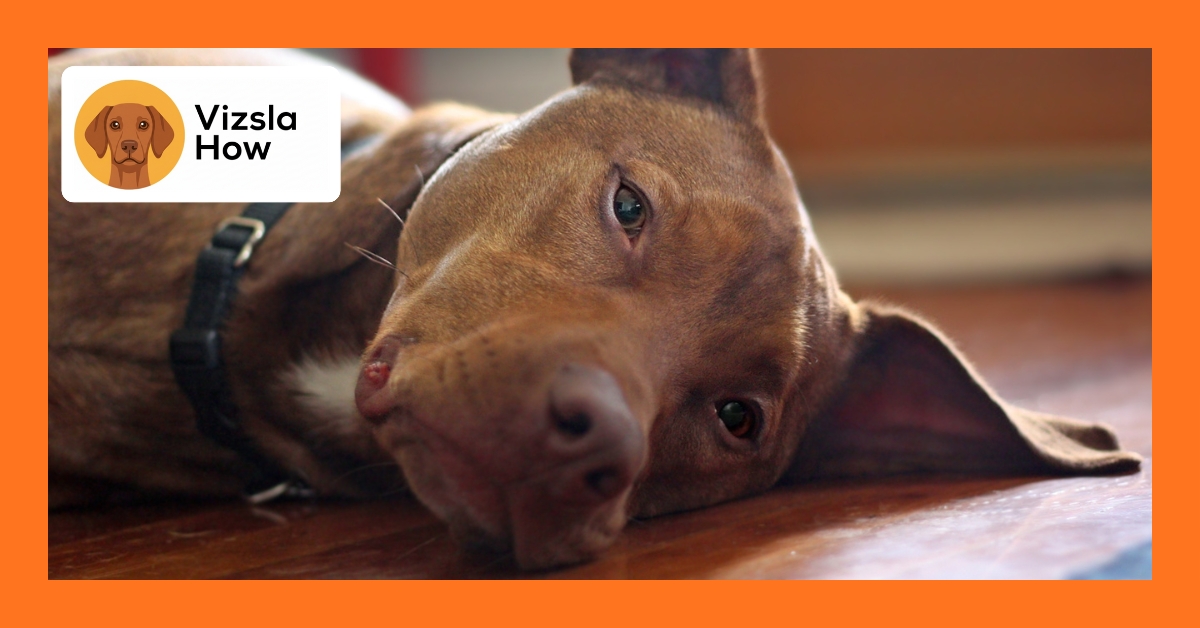
A Vizsla can live in an apartment if its exercise needs are fully met outside the home every day, meaning 1 to 2 hours of vigorous exercise, not a short walk. Without sufficient outdoor exercise, an apartment Vizsla becomes destructive and anxious. For committed owners who run with their dog daily, apartment life is workable, but a home with a yard is more practical.
Did you know that urban adoption of high-energy breeds like Vizslas has surged by over 30% in the past year? As city living becomes the norm and more people seek active canine companions, one question keeps emerging among apartment dwellers: can a Vizsla truly thrive in a small space?
Yes, Vizslas can live in apartments, but success requires significant commitment to daily exercise (1-2 hours), mental stimulation, and constant companionship. These “velcro dogs” are highly adaptable when their physical and emotional needs are met consistently.
The reality is more nuanced than a simple yes or no. While Vizslas were bred for hunting across vast Hungarian plains, their deep attachment to humans and intelligence make apartment living possible under the right conditions. Recent veterinary research from 2025 shows that environment size matters less than meeting breed-specific needs.
Understanding Vizsla Temperament in Small Spaces
Vizslas possess unique characteristics that both challenge and support apartment living. These medium-sized dogs typically weigh 45-65 pounds and stand 21-24 inches tall, making them physically manageable in smaller spaces.
The “Velcro Dog” Factor
Vizslas earn their nickname as “velcro dogs” through their intense desire for human companionship. They prefer staying within arm’s reach of their owners and often follow them from room to room. This trait actually works in favor of apartment living, as they’re content being close to their family regardless of space size. However, this attachment can lead to separation anxiety if not properly managed, which is why understanding how long Vizslas can be left alone is crucial for apartment dwellers.
Energy and Exercise Requirements
These athletic dogs require substantial daily exercise beyond what many apartment-friendly breeds need. A typical Vizsla needs:
- 60-120 minutes of vigorous exercise daily
- Mental stimulation through puzzle toys and training
- Off-leash running opportunities several times per week
- Interactive play sessions with their owners
Can Vizsla Live in Apartments Successfully? Key Factors
Success depends on several critical factors that determine whether your apartment setup can meet a Vizsla’s needs. The Gateway Vizsla Club states that “Vizslas can live in any environment if they have enough exercise, a warm, dry place to stay, and love and attention.”
Essential Requirements for Apartment Success
| Requirement | Minimum Standard | Ideal Standard |
|---|---|---|
| Daily Exercise | 60 minutes vigorous | 120+ minutes varied activities |
| Outdoor Access | 3-4 times daily | On-demand balcony + frequent outings |
| Mental Stimulation | 15-20 minutes training | Multiple puzzle sessions + training |
| Companionship | No more than 4 hours alone | Rarely alone or doggy daycare |
Owner Lifestyle Compatibility
Successful apartment Vizsla owners typically share certain characteristics. They maintain active lifestyles, work flexible schedules, or have arranged professional dog care services. These owners often enjoy running, hiking, or cycling and view their Vizsla as an exercise partner rather than a sedentary companion.
Daily Routine Guide for Apartment Vizslas
Creating structure is essential for apartment success. Here’s a proven daily routine that many urban Vizsla owners follow:
Morning Routine (6:00-8:00 AM)
- Wake-up potty break: 10-15 minute walk for bathroom needs
- Exercise session: 30-45 minutes of jogging, fetch, or dog park play
- Breakfast and training: 10 minutes of obedience or trick training during mealtime
- Calm settling: Encourage quiet time before leaving for work
Midday Management (12:00-1:00 PM)
If you work full-time, arrange for a dog walker or pet sitter for a 30-minute midday outing. Many apartment Vizsla owners use professional dog walking services or doggy daycare 2-3 times per week.
Evening Routine (5:00-8:00 PM)
- High-energy exercise: 45-60 minutes of intensive activity
- Mental stimulation: Puzzle feeders, training sessions, or interactive toys
- Quality time: Cuddling and bonding activities
- Final potty break: Before bedtime routine
Common Challenges and Solutions
Understanding potential problems helps prevent them before they develop into serious behavioral issues.
Separation Anxiety Prevention
Vizslas are prone to separation anxiety due to their strong attachment to owners. Combat this by gradually increasing alone time, providing engaging toys, and maintaining consistent departure routines. Consider crate training as a safe space rather than punishment.
Noise and Neighbor Relations
Bored or anxious Vizslas may bark excessively, causing neighbor complaints. Prevent this through adequate exercise, mental stimulation, and training. Some apartment owners use white noise machines or calming music during alone periods. For persistent issues, explore effective solutions for Vizsla barking problems to maintain good neighbor relationships.
Destructive Behavior Management
Insufficient exercise often leads to destructive chewing or digging behaviors. Provide appropriate outlets through chew toys, puzzle feeders, and rotate toy selection weekly to maintain interest.
Apartment Modifications for Vizsla Success
Simple apartment modifications can significantly improve your Vizsla’s quality of life and your peace of mind.
Indoor Exercise Solutions
- Hallway fetch: Use soft toys for indoor retrieving games
- Stair climbing: Controlled stair exercises for rainy days
- Treadmill training: Some owners train Vizslas to use dog treadmills
- Indoor agility: Create simple obstacle courses using household items
Balcony and Outdoor Space Optimization
If you have a balcony, make it Vizsla-friendly with secure fencing, weather protection, and comfortable surfaces. Some owners install artificial grass patches for emergency bathroom needs. A quality adjustable harness is essential for safe balcony time and daily walks, ensuring your Vizsla stays secure during outdoor activities.
No-Pull Running Harness for Vizslas
Vizslas pull hard during exercise. A well-fitted harness distributes pressure across the chest instead of the neck, protecting your dog during long runs and active field work.
When Apartment Living Isn’t Right
Honestly assess whether your situation can meet a Vizsla’s needs. Red flags include working 8+ hour days without dog care arrangements, inability to provide daily vigorous exercise, or strict apartment noise policies that don’t accommodate occasional barking.
Dr. Amanda Thompson from AskAVet warns that Vizslas are “not ideal for apartment life unless heavily exercised” and notes their “vocal tendencies and high energy” as potential apartment challenges.
Conclusion
Can Vizsla live in apartments? Absolutely, but success requires dedication, planning, and lifestyle compatibility. These remarkable dogs adapt well to smaller spaces when their exercise, mental stimulation, and companionship needs are consistently met. Key takeaways include providing 1-2 hours of daily exercise, preventing separation anxiety through gradual training, creating structured routines, and honestly assessing your ability to meet their substantial needs.
Remember that a tired Vizsla is a happy apartment Vizsla. With proper commitment and preparation, these loving, intelligent dogs can thrive in urban environments while becoming your perfect city adventure companion. For more detailed guidance on meeting their exercise requirements, learn about how much exercise Vizslas truly need to ensure apartment success.
Frequently Asked Questions
How much exercise does a Vizsla need in an apartment?
Vizslas require 60-120 minutes of vigorous daily exercise, including running, fetch, or off-leash play. This is significantly more than most apartment-friendly breeds and cannot be reduced simply because they live in smaller spaces.
Can Vizslas be left alone in apartments during work hours?
Vizslas should not be left alone for more than 4 hours due to their strong attachment to owners and high energy levels. Consider dog walkers, daycare, or pet sitters for full-time work schedules.
Do Vizslas bark a lot in apartments?
Well-exercised and mentally stimulated Vizslas are generally quiet dogs. However, bored or anxious Vizslas may bark excessively, potentially causing neighbor issues in apartment buildings.
What size apartment is suitable for a Vizsla?
Apartment size is less important than meeting exercise and attention needs. Vizslas can live comfortably in studios to larger apartments if their daily requirements are met consistently.
Are Vizslas good apartment dogs for first-time owners?
Vizslas are not recommended for first-time dog owners in apartments due to their high exercise needs, potential separation anxiety, and strong training requirements. They’re better suited for experienced, active owners.
How do I prevent my apartment Vizsla from being destructive?
Prevent destructive behavior through adequate daily exercise, mental stimulation with puzzle toys, consistent training, and providing appropriate chew items. A tired Vizsla is much less likely to be destructive.
Can Vizslas use apartment balconies for exercise?
While balconies can provide fresh air and mental stimulation, they cannot replace proper exercise needs. Use balconies as supplementary space but never as a substitute for daily walks and vigorous exercise sessions.
Written by Alex B.
Alex is a writer and dog enthusiast who has spent years researching the Vizsla breed. He created VizSlaHow to give dog owners a practical, honest resource about one of the most energetic and rewarding breeds in existence. He is not a veterinarian. For health concerns, always consult a qualified vet.
About the Author
Alex B. is a Vizsla owner and enthusiast who writes about the breed’s unique needs, personality, and care requirements. All advice is based on personal experience and research from veterinary and breed-specific sources.