
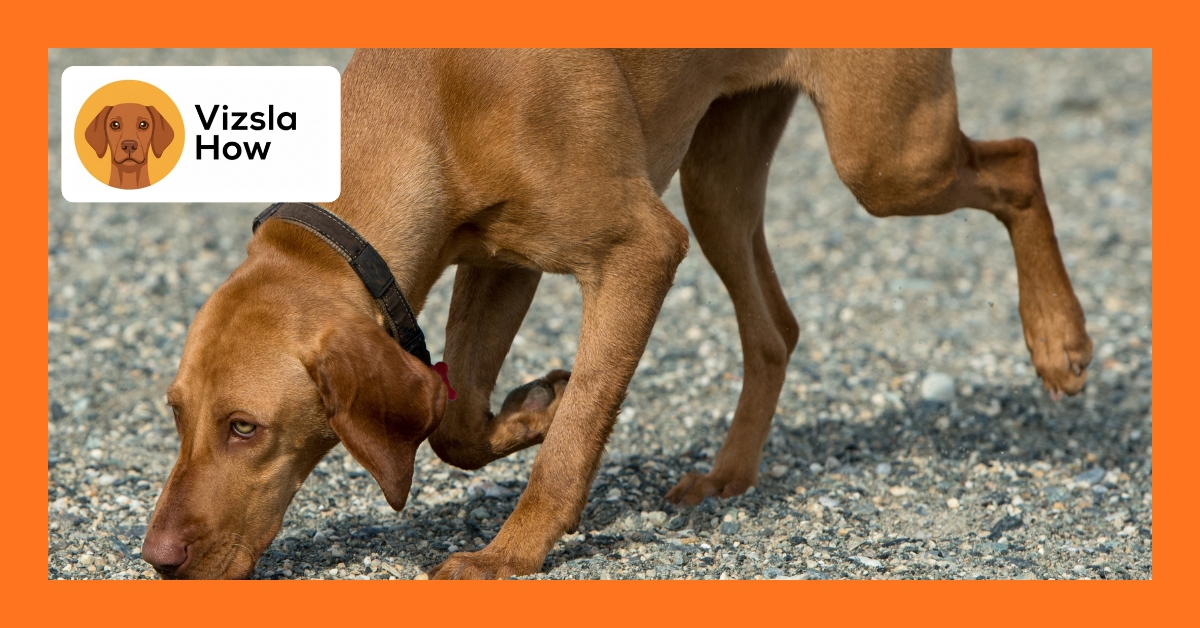
Most Vizslas begin showing gray or silver hairs around the muzzle and face between 5 and 7 years of age. The progression is gradual and varies by individual. Gray hairs on a Vizsla’s muzzle are a normal part of aging and do not indicate health problems. Dogs that gray before 4 years may simply have a genetic tendency toward early graying.
Have you noticed silvery whiskers appearing on your golden rust Vizsla’s muzzle? You’re witnessing one of the most visible signs of your beloved companion entering their senior years. For many Vizsla owners, that first glimpse of gray hair is an emotional milestone, sparking questions about what’s normal and what to expect as their energetic hunting dog ages.
Vizslas typically begin to go gray around 6 years of age, with the first white or gray hairs appearing under the chin and on the muzzle. By ages 7 to 8, graying becomes more pronounced across the face, and some dogs develop extensive silver coloring on their muzzle, chin, and even legs. This natural aging process varies significantly among individual dogs based on genetics.
Understanding when and why your Vizsla’s beautiful golden coat starts to show signs of aging helps you prepare for their senior years and distinguish normal graying from potential health concerns. Let’s explore everything you need to know about this inevitable but endearing transformation.
Understanding the Vizsla’s Unique Coat Genetics
Before we dive into the graying timeline, it’s important to understand what makes the Vizsla’s coat so distinctive. Vizslas are genetically classified as “recessive red,” meaning their signature golden rust or russet gold coloring is the only natural variation the breed displays.
According to coat genetics experts, all color variations in Vizslas are simply different shades of this same russet gold, not true browns, reds, or yellows. This genetic uniformity makes any graying particularly noticeable against their solid-colored coat.
The breed standard strictly recognizes only this golden rust coloring in younger dogs. However, age-related graying is completely natural and doesn’t disqualify a dog from breed standards or indicate poor breeding quality. Some owners may notice white markings appearing as their Vizsla ages, which is a normal part of the senior years.
The Graying Timeline: When Do Vizslas Go Gray?
The journey from vibrant golden coat to distinguished silver accents follows a fairly predictable pattern, though individual variation is common. Here’s what you can expect at different life stages.
Ages 6 to 7: The First Silver Strands
Most Vizsla owners first notice gray hairs around their dog’s sixth birthday. These initial signs almost always show up in specific locations: under the chin and around the muzzle area.
At this stage, the graying is subtle. You might spot just a few scattered white hairs when grooming or during close cuddle sessions with a quality grooming brush. Some owners miss these early changes entirely if they’re not looking for them.
Grooming Brush for Vizsla Coats
Vizslas shed more than most people expect. Regular brushing with the right tool keeps loose hair manageable, reduces allergens in the home, and keeps their short coat looking sharp.
Ages 7 to 8: Noticeable Progression
By age 7 or 8, the graying becomes much more obvious. The muzzle typically shows significant silver coloring, and the chin area may appear predominantly white or gray rather than the original golden rust.
Many Vizslas at this age develop what breeders affectionately call a “frosted face.” The contrast between their still-vibrant body coat and graying face becomes a distinguished hallmark of their senior status.
Age 8 and Beyond: Extensive Graying
After age 8, graying can become quite extensive. Some dogs develop gray coloring that extends beyond the face to include their legs and toes. Others maintain relatively minimal graying with just a silver muzzle and chin.
The variability at this stage is largely genetic. Two Vizslas from the same litter, living in similar environments, can show dramatically different graying patterns as they age.
Where Graying Appears: Common Patterns in Vizslas
Understanding where to expect graying helps you recognize normal aging patterns. Vizslas follow remarkably consistent graying progression, though the extent varies.
| Location | Typical Onset Age | Progression Pattern |
|---|---|---|
| Under Chin | 6 years | First area to show gray; often becomes predominantly white |
| Muzzle | 6-7 years | Gradually spreads from chin upward; can become fully frosted |
| Face (general) | 7-8 years | Extends around mouth and may reach eyebrows and forehead |
| Legs and Toes | 8+ years | Less common; appears in some dogs with extensive overall graying |
| Body Coat | Rare | Body generally maintains color; scattered white hairs possible |
Why Graying Starts at the Muzzle
The concentration of early graying around the chin and muzzle isn’t unique to Vizslas. This pattern occurs across many dog breeds due to the natural distribution of pigment-producing cells called melanocytes.
As dogs age, melanocyte activity decreases, particularly in areas with higher cell turnover. The muzzle experiences more environmental exposure, repeated grooming attention from the dog, and natural wear that may accelerate visible aging.
What Affects How Quickly Your Vizsla Goes Gray?
While age is the primary driver, several factors influence when and how extensively your Vizsla develops gray hairs. Understanding these variables helps set realistic expectations.
Genetic Predisposition
Genetics play the most significant role in graying patterns. If you know your Vizsla’s parents or siblings, you might notice similar graying timelines and patterns. Some bloodlines tend toward early, extensive graying while others maintain their color longer.
Unfortunately, breeders cannot predict or select for delayed graying since it’s considered a normal part of aging rather than a breeding priority. The genetics underlying premature graying in Vizslas remain largely unmapped in scientific research.
Individual Health Status
Generally healthy Vizslas follow the typical graying timeline. However, significant health stressors or chronic conditions might influence coat quality and appearance over time. It’s important to note that graying itself doesn’t indicate health problems.
Regular veterinary checkups help ensure that any coat changes you observe are consistent with normal aging rather than symptoms of underlying conditions like thyroid disorders or nutritional deficiencies.
Premature Graying: When It Happens Early
Some Vizslas develop noticeable gray or white hairs before age 6. While less common, this premature graying is generally benign and simply reflects individual genetic variation.
Research on stress-induced premature graying in dogs remains limited. While some studies in other species suggest correlations between stress and early graying, no breed-specific data exists for Vizslas to confirm or deny this relationship.
How to Distinguish Normal Graying from Health Issues
Most graying in Vizslas is completely normal, but certain patterns warrant veterinary attention. Knowing the difference ensures you address genuine health concerns while accepting natural aging.
Signs of Normal Aging Graying
- Gradual appearance starting around age 6 or later
- Symmetrical pattern beginning at chin and muzzle
- White or silver hairs evenly distributed in affected areas
- No accompanying skin changes, itching, or hair loss
- Dog otherwise healthy with good energy and appetite
Warning Signs to Discuss with Your Vet
- Sudden, rapid graying in dogs under 4 years old
- Asymmetrical or patchy white areas
- Graying accompanied by skin lesions, scaling, or inflammation
- Hair loss in graying areas
- Changes in coat texture or excessive dullness
- Other symptoms like lethargy, weight changes, or behavioral shifts
Conditions That Mimic Graying
Several dermatological conditions can create white or lighter patches that owners might mistake for graying. Vitiligo, an autoimmune condition affecting pigmentation, can cause depigmentation around the face and nose.
Follicular disorders or fungal infections might also alter coat color in localized areas. These conditions typically present with additional symptoms like itching, flaking, or textural changes that distinguish them from simple graying.
Caring for Your Graying Vizsla: What Changes to Expect
When your Vizsla starts going gray, they’re entering their senior years. This transition brings care considerations beyond just coat color changes.
Nutritional Adjustments for Senior Dogs
As Vizslas age, their nutritional needs evolve. Senior dog formulas typically contain adjusted protein levels, joint-supporting supplements like glucosamine, and antioxidants to support cognitive health.
Consult your veterinarian about transitioning to senior food around age 7 or 8. Some active Vizslas may not need formula changes until later, while others benefit from earlier dietary adjustments.
Exercise and Mobility Considerations
Vizslas remain energetic well into their senior years, but you might notice reduced stamina or stiffness after rest. Adjust exercise intensity and duration based on your individual dog’s capabilities rather than age alone.
Watch for signs of arthritis or joint discomfort, which commonly develop around the same time graying becomes noticeable. Early intervention with supplements or medications can significantly improve quality of life. Understanding how much exercise your senior Vizsla needs helps you maintain their health without overexertion.
Grooming Your Graying Vizsla
The good news? Graying doesn’t require special grooming beyond your normal Vizsla care routine. Their short, smooth coat remains low-maintenance regardless of color.
Regular brushing helps you monitor skin health and spot any unusual changes early. Some owners notice that gray hairs have a slightly different texture, occasionally appearing coarser than the surrounding coat.
Owner Expectations vs. Reality: Common Misconceptions
Many prospective and new Vizsla owners hold unrealistic expectations about their dog’s coat remaining uniformly golden rust forever. Breeders report frequent inquiries from buyers specifically requesting dogs “with no white.”
This expectation ignores biological reality. Virtually all Vizslas will develop some degree of graying as they age. Understanding and accepting this natural process helps owners appreciate their dog’s distinguished senior appearance rather than viewing it as a flaw.
Graying in Show Dogs
In conformation shows, breed standards recognize only the russet gold coat color. However, minor white markings due to aging are acceptable and don’t disqualify older dogs from competition.
The strictness about coat color applies primarily to young dogs and breeding stock to maintain breed standards. Age-induced graying is acknowledged as natural and unavoidable, not a breeding fault or disqualifying characteristic.
Embracing Your Vizsla’s Silver Years
That first glimpse of gray on your Vizsla’s chin might tug at your heartstrings. Many owners describe an emotional reaction to seeing their energetic companion show visible signs of aging.
Yet these silver whiskers represent something beautiful: years of loyalty, adventures shared, and the deep bond you’ve built. Your graying Vizsla isn’t losing their beauty; they’re gaining the distinguished appearance of a wise, experienced companion.
Celebrate this transition by maintaining their quality of life through appropriate veterinary care, adjusted exercise routines, and continued mental stimulation. A graying muzzle doesn’t mean slowing down completely; it means adapting to support your dog through their senior years. Ensuring they have a comfortable orthopedic bed can help them rest more comfortably as they age.
Orthopedic Dog Bed for Vizslas
Vizslas are active dogs that need quality rest between high-energy days. An orthopedic bed supports their joints and gives them a warm, dedicated space that helps them stop burrowing into yours.
Key Takeaways About When Vizslas Go Gray
Understanding the graying timeline helps you provide the best care for your aging Vizsla. Here are the essential points to remember:
- Vizslas typically begin showing gray hairs around age 6, with graying becoming pronounced by ages 7 to 8, almost always starting under the chin and on the muzzle
- The extent and speed of graying vary significantly based on individual genetics, with some dogs developing extensive facial graying while others show minimal changes
- Normal age-related graying is symmetrical, gradual, and not accompanied by skin problems or health symptoms, making it distinct from medical conditions that require veterinary attention
- When your Vizsla starts going gray, consider this a signal to adjust their care routine, including potential dietary changes, joint support, and modified exercise appropriate for senior dogs
Your Vizsla’s golden rust coat may eventually sport distinguished silver accents, but their loving personality and energetic spirit remain unchanged. Embrace these visible signs of aging as markers of a life well-lived together.
Frequently Asked Questions
Is it normal for a Vizsla to have white hairs at 5 years old?
While most Vizslas begin graying around age 6, some individuals develop their first white or gray hairs slightly earlier. A few scattered white hairs at age 5 typically represent normal variation in the aging process, particularly if they appear under the chin or on the muzzle. However, extensive or sudden graying before age 4, or white patches in unusual locations, should be evaluated by a veterinarian to rule out health conditions unrelated to normal aging.
Will my Vizsla’s entire coat turn gray?
No, Vizslas rarely develop graying across their entire body coat. Graying concentrates primarily on the face, especially the muzzle and chin, with possible extension to the legs and toes in some older dogs. The body coat typically maintains its golden rust color throughout the dog’s life, though some scattered white hairs may appear. Even Vizslas with extensive facial graying usually retain their characteristic russet gold coloring on their torso, back, and upper legs.
Does early graying mean my Vizsla will have a shorter lifespan?
No scientific evidence links early graying to reduced lifespan in Vizslas. Graying is primarily a cosmetic change reflecting decreased melanocyte activity in hair follicles, not an indicator of overall health or longevity. Some perfectly healthy Vizslas simply gray earlier than others due to genetic variation. Focus on overall health markers like energy level, appetite, weight maintenance, and regular veterinary checkups rather than graying patterns to assess your dog’s wellbeing and life expectancy.
Can stress cause my Vizsla to go gray prematurely?
While research in other species suggests potential links between chronic stress and premature graying, no breed-specific studies confirm this relationship in Vizslas. The genetics of graying in dogs remain incompletely understood, making it difficult to separate genetic predisposition from environmental factors like stress. If your young Vizsla develops premature graying alongside behavioral changes, anxiety, or health issues, consult your veterinarian to address potential stressors, but understand that early graying alone doesn’t confirm stress as the cause.
How can I tell if graying is normal or a sign of vitiligo?
Normal aging graying appears gradually, symmetrically, and primarily on the muzzle and chin, with white or gray hairs distributed evenly through these areas. Vitiligo, an autoimmune condition affecting pigmentation, typically creates distinct depigmented patches rather than scattered gray hairs, often appearing on the nose leather, lips, and facial skin in addition to coat color changes. Vitiligo may also affect pigmentation in the paw pads and can appear at younger ages. If you notice asymmetrical patches, skin color changes, or unusual graying patterns, have your veterinarian examine your Vizsla.
Should I change my Vizsla’s diet when they start going gray?
Graying itself doesn’t require dietary changes, but the age when graying typically appears (6 to 8 years) coincides with when many Vizslas benefit from transitioning to senior dog formulas. Consult your veterinarian about whether your individual dog needs nutritional adjustments based on their overall health, activity level, and body condition rather than graying alone. Senior formulas often include joint-supporting supplements, adjusted protein and fat levels, and antioxidants that support aging dogs, making this life stage an appropriate time to discuss dietary optimization.
Do male or female Vizslas gray faster?
No reliable evidence suggests significant differences in graying patterns between male and female Vizslas. Both sexes typically follow similar timelines, beginning to show gray hairs around age 6 and developing more extensive graying by ages 7 to 8. Individual variation within each sex far exceeds any potential sex-based differences. Genetic factors unrelated to sex appear to be the primary determinants of graying onset and extent, meaning you should expect similar graying patterns regardless of whether you own a male or female Vizsla.
Written by Alex B.
Alex is a writer and dog enthusiast who has spent years researching the Vizsla breed. He created VizSlaHow to give dog owners a practical, honest resource about one of the most energetic and rewarding breeds in existence. He is not a veterinarian. For health concerns, always consult a qualified vet.
About the Author
Alex B. is a Vizsla owner and enthusiast who writes about the breed’s unique needs, personality, and care requirements. All advice is based on personal experience and research from veterinary and breed-specific sources.