
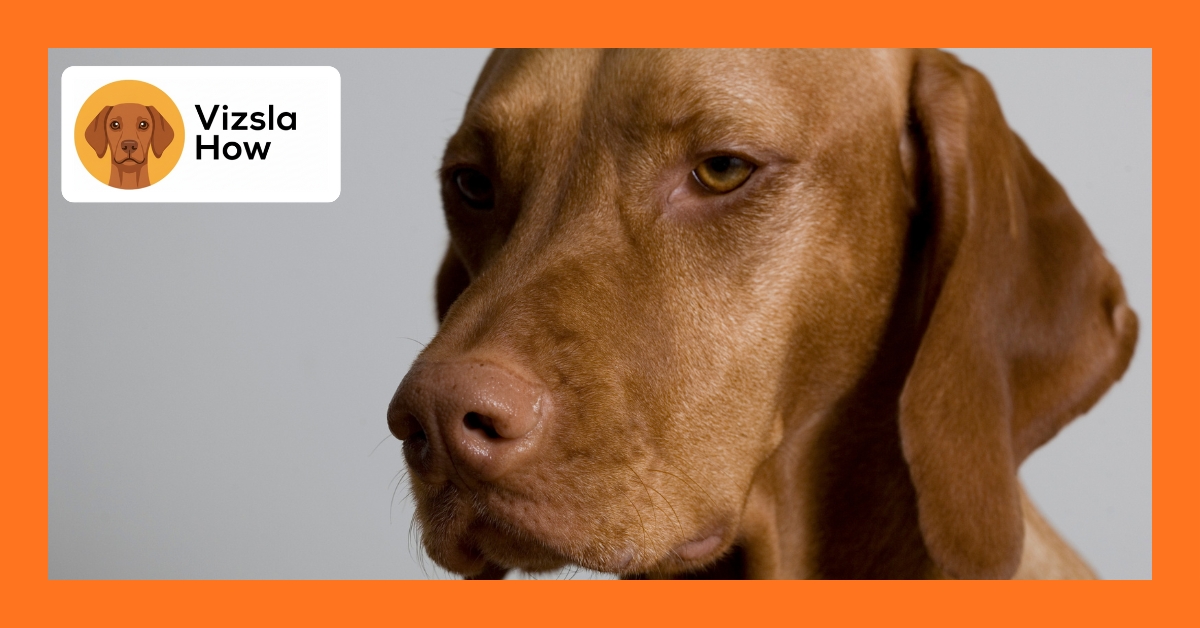
Yes, Vizslas need substantial daily exercise. Most adults require 1 to 2 hours of vigorous activity every day, such as running, hiking, or off-leash play. A daily walk alone is not enough. Under-exercised Vizslas develop destructive behaviors, excessive barking, and anxiety. This exercise requirement is one of the most important factors to understand before getting the breed.
Picture this: your Hungarian Vizsla has destroyed your favorite couch, barked incessantly for hours, and turned your garden into an archaeological dig site. Sound familiar? You’re witnessing the classic signs of an under-exercised Vizsla. In cold weather, a proper coat makes a significant difference: our guide to the best dog coats for Vizslas covers what works for this breed at different temperatures.
Yes, Vizslas absolutely need a lot of exercise. These high-energy hunting dogs require 1-2 hours of vigorous physical activity daily, plus mental stimulation, to maintain their physical health and prevent destructive behaviors. Without adequate exercise, Vizslas quickly develop anxiety, hyperactivity, and behavioral problems.
Understanding your Vizsla’s exercise needs isn’t just about preventing chaos at home. It’s about unlocking their full potential as the loyal, intelligent companions they’re bred to be. Let’s explore exactly what it takes to keep these athletic powerhouses happy and healthy.
Understanding the Vizsla’s Athletic Heritage
Vizslas aren’t your average family pet when it comes to energy levels. Originally bred as hunting and retrieving dogs in Hungary, these athletic canines possess remarkable stamina and speed capabilities.
These dogs can reach speeds up to 40 mph (64 km/h) and were designed to work tirelessly alongside hunters across vast terrains. Their lean, muscular build and natural athleticism make them one of the most energetic dog breeds you’ll encounter.
This heritage directly translates to modern exercise requirements. According to veterinary experts, chronic under-exercise remains the primary cause of anxiety, hyperactivity, and destructive behaviors in Vizslas today.
Daily Exercise Requirements for Vizslas
The question “do Vizslas need a lot of exercise” has a definitive answer: absolutely yes. But let’s break down exactly what “a lot” means in practical terms.
Adult Vizsla Exercise Needs
Healthy adult Vizslas typically require a minimum of 1-2 hours of physical exercise daily. This isn’t a casual walk around the block – we’re talking about vigorous, heart-pumping activity that challenges their athletic abilities.
The most effective exercise routines include:
- Off-leash running in secure, fenced areas
- Long walks split into two 1-hour sessions
- Swimming for low-impact, full-body conditioning
- Interactive games like fetch, frisbee, or agility training
- Hiking on varied terrain to engage different muscle groups
For safe outdoor adventures, investing in a quality exercise harness ensures your Vizsla can enjoy vigorous activities while maintaining proper control and comfort during long hikes or runs.
No-Pull Running Harness for Vizslas
Vizslas pull hard during exercise. A well-fitted harness distributes pressure across the chest instead of the neck, protecting your dog during long runs and active field work.
Age-Specific Exercise Guidelines
Exercise requirements vary significantly based on your Vizsla’s life stage. Here’s what you need to know for each phase: For daily runs and field sessions, the harness you use matters for comfort and control: see our Ruffwear Front Range harness review for our top pick. If you are looking for a harness that can handle a Vizsla’s daily exercise load, our Joyride Harness review covers how it holds up over months of active use.
| Age Group | Exercise Duration | Recommended Activities | Important Notes |
|---|---|---|---|
| Puppies (8 weeks – 18 months) | 5 minutes per month of age, 1-2x daily | Gentle play, short walks, swimming | Avoid forced running until growth plates close |
| Adults (18 months – 7 years) | 1-2 hours daily | Running, hiking, agility, fetch | Peak exercise tolerance and endurance |
| Seniors (7+ years) | 30-60 minutes daily | Moderate walks, swimming, gentle play | Monitor for arthritis and joint issues |
The Critical Role of Mental Stimulation
Physical exercise alone won’t satisfy your Vizsla’s needs. These intelligent dogs require substantial mental stimulation to prevent boredom and destructive behaviors.
Mental enrichment activities should complement physical exercise, not replace it. Consider incorporating these brain-challenging activities into your daily routine:
- Puzzle toys and treat dispensers that require problem-solving
- Scent work games that tap into their hunting instincts
- Advanced obedience training with new commands and tricks
- Canine sports like agility, dock diving, or field trials
- Interactive feeding using snuffle mats or hidden treats
Many Vizsla owners report that 30 minutes of intense mental stimulation can be as tiring as an hour of physical exercise for their dogs.
How to Create the Perfect Exercise Schedule
Developing a sustainable exercise routine requires planning and consistency. Here’s a step-by-step approach to meeting your Vizsla’s exercise needs:
Morning Routine (45-60 minutes)
Start each day with high-energy activities when your Vizsla is most alert and enthusiastic. Consider a vigorous run, long hike, or intensive fetch session.
This morning exercise session should be the most challenging part of your dog’s day, designed to burn off excess energy before you leave for work.
Midday Break (20-30 minutes)
If possible, provide a moderate activity during lunch hours. This could be a brisk walk, backyard play session, or mental stimulation activity.
For working owners, consider hiring a dog walker or using doggy daycare services to bridge this gap. If your Vizsla struggles with being alone, check out our guide on whether Vizslas can be left home alone for helpful strategies.
Evening Wind-Down (30-45 minutes)
End the day with moderate exercise that helps your Vizsla release any remaining energy without overstimulating them before bedtime.
Focus on calmer activities like leisurely walks, gentle training sessions, or puzzle toys that promote relaxation.
Urban vs Rural Exercise Solutions
Your living environment significantly impacts how you’ll meet your Vizsla’s exercise requirements. Let’s explore solutions for different settings.
Urban Living Strategies
Living in the city with a Vizsla requires creativity and commitment. While challenging, urban Vizsla ownership is possible with proper planning:
- Utilize local dog parks with large, secure off-leash areas
- Explore urban hiking trails and greenways
- Join dog sports clubs for structured activities
- Consider indoor rock climbing gyms that allow dogs
- Use apartment building stairwells for controlled exercise
Rural and Suburban Advantages
Homes with large yards and nearby open spaces offer ideal conditions for Vizsla exercise. Take advantage of:
- Secure fenced yards for off-leash play
- Local hiking trails and nature preserves
- Swimming opportunities in lakes or rivers
- Open fields for running and retrieving games
Warning Signs of Insufficient Exercise
Recognizing when your Vizsla isn’t getting enough exercise is crucial for preventing serious behavioral and health issues. Watch for these telltale signs:
Behavioral indicators include: excessive barking, destructive chewing, hyperactivity indoors, attention-seeking behaviors, and difficulty settling down or relaxing.
Physical signs encompass: weight gain, decreased muscle tone, restlessness during sleep, and increased susceptibility to stress-related health issues.
As one expert notes, “If Vizslas don’t get enough exercise, they can become bored and destructive,” highlighting the direct connection between physical activity and behavioral wellness. For specific solutions to excessive vocalization, explore our comprehensive guide on Vizsla barking problems and effective solutions.
Weather and Seasonal Exercise Adaptations
Maintaining consistent exercise routines year-round requires adapting to weather conditions and seasonal changes.
During extreme weather, consider indoor alternatives like treadmill training, indoor agility courses, or interactive puzzle games that provide both mental and physical stimulation.
Hot summer months require early morning or late evening exercise sessions to prevent overheating, while winter conditions might necessitate protective gear and modified activities.
Conclusion
Do Vizslas need a lot of exercise? The answer is an emphatic yes. These athletic, intelligent dogs require 1-2 hours of daily physical activity plus mental stimulation to thrive.
Meeting your Vizsla’s exercise needs isn’t just about preventing destructive behavior – it’s about unlocking their potential as the loyal, well-adjusted companions they’re meant to be. With proper planning, consistent routines, and creative solutions, you can successfully provide the active lifestyle your Vizsla craves.
Remember that investing in your Vizsla’s exercise requirements today prevents costly behavioral problems and health issues tomorrow. Your energetic companion will reward your efforts with unwavering loyalty and boundless affection.
Frequently Asked Questions
How much exercise does a Vizsla puppy need daily?
Vizsla puppies need approximately 5 minutes of exercise per month of age, performed 1-2 times daily. For example, a 3-month-old puppy should get about 15 minutes of exercise twice daily. Avoid forced running or high-impact activities until growth plates close around 18 months of age. For comprehensive puppy training guidance, check out our Vizsla puppy recall training guide.
Can Vizslas live in apartments if they get enough exercise?
Yes, Vizslas can adapt to apartment living with sufficient daily exercise and mental stimulation. However, this requires a committed owner who can provide 1-2 hours of vigorous activity daily, plus creative indoor enrichment activities during bad weather or busy schedules.
What happens if a Vizsla doesn’t get enough exercise?
Under-exercised Vizslas commonly develop destructive behaviors like excessive chewing, persistent barking, hyperactivity, and separation anxiety. They may also experience weight gain, decreased muscle tone, and increased stress-related health problems over time.
Is mental stimulation as important as physical exercise for Vizslas?
Mental stimulation is equally crucial for Vizslas. These intelligent dogs need cognitive challenges like puzzle toys, scent work, and training sessions. Many owners find that 30 minutes of intense mental stimulation equals about an hour of physical exercise in terms of tiring their dog.
What are the best exercise activities for Vizslas?
The most effective Vizsla exercises include off-leash running in secure areas, swimming, hiking, fetch games, and canine sports like agility. These activities engage their natural athleticism and hunting instincts while providing both physical and mental stimulation.
How do I exercise my Vizsla during bad weather?
During inclement weather, focus on indoor mental stimulation activities like puzzle toys, scent games, and training sessions. You can also use indoor spaces like garages or basements for active play, or consider doggy daycare facilities with indoor exercise areas.
Do senior Vizslas need less exercise than younger dogs?
Senior Vizslas typically need 30-60 minutes of moderate exercise daily, compared to 1-2 hours for adults. Focus on gentler activities like swimming and leisurely walks while monitoring for signs of arthritis or joint issues that may require exercise modifications.
Written by Alex B.
Alex is a writer and dog enthusiast who has spent years researching the Vizsla breed. He created VizSlaHow to give dog owners a practical, honest resource about one of the most energetic and rewarding breeds in existence. He is not a veterinarian. For health concerns, always consult a qualified vet.
About the Author
Alex B. is a Vizsla owner and enthusiast who writes about the breed’s unique needs, personality, and care requirements. All advice is based on personal experience and research from veterinary and breed-specific sources.