
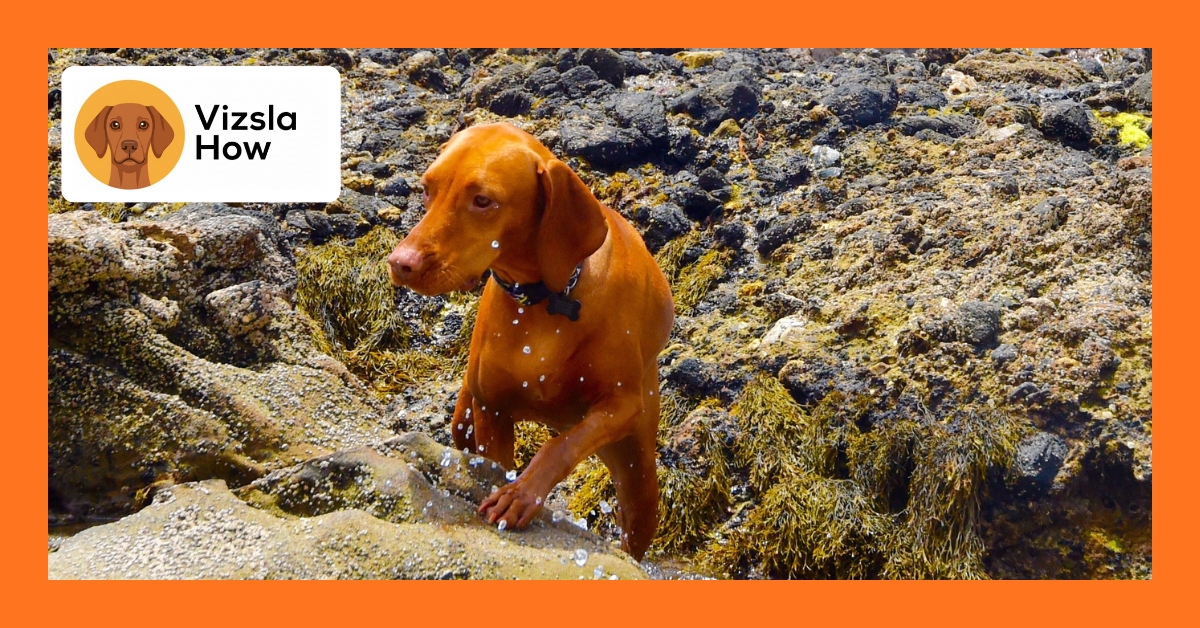
Vizsla hunting training begins with reliable obedience and recall, then introduces bird contact under controlled conditions around 6 months. The sequence covers: building a steady point, teaching the flush on command, and developing a consistent retrieve. Working with an experienced hunting dog trainer accelerates the process significantly. Most Vizslas are ready for their first season between 12 and 18 months.
Did you know that Vizslas can track game effectively at distances up to 100 meters from their handlers when properly trained? This remarkable capability stems from centuries of selective breeding that created one of the world’s most versatile hunting companions.
Training your Vizsla to hunt requires understanding their unique blend of affectionate family nature and intense prey drive. These Hungarian pointers combine athleticism, intelligence, and an eager-to-please attitude that makes them exceptional hunting partners when trained correctly.
The key to successful Vizsla hunting training lies in positive reinforcement methods that harness their natural instincts while building reliable obedience. According to recent expert guidance from industry-leading veterinary sources, short training sessions of 5-15 minutes paired with consistent routine produce the best results for this high-energy breed.
Understanding Your Vizsla’s Hunting Instincts
Vizslas possess an inherent prey drive that emerges early in puppyhood. This instinct manifests through pointing behaviors, scent tracking, and intense focus on moving objects. Understanding these natural tendencies helps you channel them productively rather than suppress them.
The breed’s hunting style combines pointing and retrieving capabilities. Unlike some specialist breeds, Vizslas excel at both finding game and bringing it back to you. This versatility makes them ideal for various hunting scenarios, from upland birds to waterfowl. Building on their natural scent tracking abilities forms the foundation of successful hunting partnerships.
Energy management plays a crucial role in hunting success. Under-exercised Vizslas often display unfocused behaviors that translate to poor field performance. Daily physical and mental stimulation ensures your dog remains attentive during training sessions.
Essential Foundation Training for Hunting Success
Before introducing hunting-specific skills, your Vizsla must master fundamental obedience commands. These form the safety foundation for all field work activities.
Core Commands Every Hunting Vizsla Needs
Start with these essential commands using positive reinforcement techniques:
- “Heel” – Keeps your dog at your side during approaches
- “Stay” – Maintains position until released
- “Come” – Reliable recall from any distance
- “Leave it” – Prevents pursuit of non-target species
- “Wait” – Creates pause for safety assessments
Practice these commands in short 10-15 minute sessions using treats, praise, and play as rewards. Harsh discipline creates stubbornness in Vizslas and undermines the trust essential for hunting partnerships. For comprehensive recall training techniques, consider our detailed puppy recall training guide.
Socialization and Environmental Exposure
Early socialization prevents behavioral issues that interfere with hunting performance. Expose your puppy to various environments, people, and other animals between 8-16 weeks of age.
Field confidence develops through gradual exposure to hunting environments. Start with quiet areas and progressively introduce more stimulating locations like moors, forests, and water sources.
Step-by-Step Hunting Training Progression
Training your Vizsla to hunt follows a systematic progression from basic scenting games to complex field scenarios. Each stage builds upon previous skills while introducing new challenges.
Stage 1: Scent Introduction (8-12 weeks)
Begin with simple scenting games in your backyard or controlled indoor space. Hide treats or toys and encourage your puppy to find them using their nose. This develops confidence in scent tracking abilities.
Use verbal encouragement like “find it” to create positive associations with searching behaviors. Keep sessions brief to match your puppy’s attention span.
Stage 2: Basic Field Work (4-6 months)
Introduce your Vizsla to actual field environments once vaccinations are complete. Start with basic ground scenting in areas with minimal distractions.
Practice boundary training to prevent unwanted pursuit of non-target species. Use long training leads initially to maintain control while allowing exploration.
Stage 3: Advanced Skills (6+ months)
Once foundation skills are reliable, introduce live scent tracking in controlled environments. Work with experienced hunters or trainers to ensure proper technique development. This advanced stage naturally progresses to training your Vizsla to point, which requires refined technique and patience.
Focus on developing reliable recall under distraction. Your Vizsla must respond immediately to commands even when excited by game scent.
Equipment and Safety Considerations
Proper equipment enhances training effectiveness while ensuring safety for both dog and handler. Choose gear specifically designed for active hunting breeds.
| Equipment Type | Recommended Features | Training Benefit |
|---|---|---|
| Training Collar | Lightweight, adjustable | Comfort during long sessions |
| Long Lead | 30-50 feet, lightweight material | Distance control while allowing freedom |
| Whistle | Consistent tone, weather-resistant | Long-distance communication |
| Treat Pouch | Easy access, secure closure | Quick reward delivery |
Crate training facilitates safe transport to hunting locations and establishes calm behavior patterns. Choose a crate size that allows your Vizsla to stand and turn comfortably. For field work, a reliable training harness provides better control and comfort during extended training sessions than traditional collars.
No-Pull Running Harness for Vizslas
Vizslas pull hard during exercise. A well-fitted harness distributes pressure across the chest instead of the neck, protecting your dog during long runs and active field work.
Common Training Challenges and Solutions
Even well-bred Vizslas encounter training obstacles that require specific strategies to overcome. Understanding these challenges helps you maintain progress toward hunting readiness.
Managing Excessive Energy
High energy levels can interfere with focus during training sessions. Provide adequate exercise before training to improve attention span. A tired Vizsla learns more effectively than an overstimulated one.
Structure training around your dog’s natural energy patterns. Many Vizslas focus best during morning hours when excitement levels are manageable. After intense training sessions, a comfortable dog bed provides the perfect recovery space for your hunting companion.
Orthopedic Dog Bed for Vizslas
Vizslas are active dogs that need quality rest between high-energy days. An orthopedic bed supports their joints and gives them a warm, dedicated space to call their own.
Balancing Family and Hunting Roles
Vizslas must learn to switch between gentle family companion and focused hunting partner. Establish clear boundaries between home and field behaviors through consistent commands and expectations.
Use different equipment or locations to signal hunting mode versus family time. This helps your dog understand when hunting behaviors are appropriate.
Building Hunting Partnerships Through Trust
Successful hunting relationships depend on mutual trust and clear communication between dog and handler. Consistency in training methods and expectations builds this foundation over time.
Patience remains essential throughout the training process. Vizslas develop at different rates, and rushing progression often creates setbacks that require additional time to correct.
Regular practice maintains skills and strengthens your working relationship. Even experienced hunting Vizslas benefit from ongoing training sessions that reinforce commands and introduce new challenges.
Training your Vizsla to hunt successfully requires understanding their unique combination of family loyalty and hunting drive. Through positive reinforcement, consistent practice, and gradual progression, you can develop a reliable hunting partner that excels in the field while remaining a beloved family member. Remember that patience and consistency yield better results than rushing through training stages, ultimately creating the strong foundation necessary for years of successful hunting adventures together.
Frequently Asked Questions
At what age should I start training my Vizsla to hunt?
Begin basic training immediately when bringing your Vizsla puppy home, typically around 8 weeks old. Start with simple scenting games and basic obedience commands. Formal hunting training can begin around 4-6 months once vaccinations are complete and foundation skills are established.
How long does it take to fully train a Vizsla for hunting?
Most Vizslas require 12-18 months to develop reliable hunting skills, depending on training consistency and individual development. Basic field readiness often emerges around 8-12 months, while advanced skills and judgment continue developing through their second year.
Can I train my Vizsla to hunt without professional help?
While basic training is possible for experienced dog owners, professional guidance significantly improves success rates and safety. Consider working with certified trainers for advanced skills like live bird work and complex field scenarios to ensure proper technique development.
What hunting activities are Vizslas best suited for?
Vizslas excel at upland bird hunting, including pheasant, quail, and grouse. Their pointing and retrieving abilities also make them effective for waterfowl hunting. Their versatile nature allows adaptation to various hunting styles and game types with proper training.
How do I prevent my Vizsla from chasing non-target animals?
Implement strong “leave it” command training and boundary work from an early age. Use positive reinforcement to reward ignoring distractions like rabbits or deer. Consistent practice in controlled environments builds reliability before introducing real hunting scenarios.
Should I use electronic training collars for hunting training?
Electronic collars can be effective tools when used properly by experienced handlers, but positive reinforcement methods often produce better results with Vizslas. If considering electronic collars, work with professional trainers to ensure proper timing and technique to avoid creating fear or confusion.
How much exercise does a hunting Vizsla need daily?
Hunting Vizslas require 60-90 minutes of vigorous exercise daily, including both physical activity and mental stimulation. Combine running, swimming, or hiking with training sessions to meet their high energy needs and maintain peak hunting condition.
Written by Alex B.
Alex is a writer and dog enthusiast who has spent years researching the Vizsla breed. He created VizSlaHow to give dog owners a practical, honest resource about one of the most energetic and rewarding breeds in existence. He is not a veterinarian. For health concerns, always consult a qualified vet.
About the Author
Alex B. is a Vizsla owner and enthusiast who writes about the breed’s unique needs, personality, and care requirements. All advice is based on personal experience and research from veterinary and breed-specific sources.